Astronomers discover the largest known solar system, consisting of a large planet that takes a million years to orbit its star.
Source: Astronomers discover largest solar system – BBC News
Astronomers discover the largest known solar system, consisting of a large planet that takes a million years to orbit its star.
Source: Astronomers discover largest solar system – BBC News

When the shy star goes forth in heaven
All maidenly, disconsolate,
Hear you amid the drowsy even
One who is singing by your gate.
His song is softer than the dew
And he is come to visit you.
O bend no more in revery
When he at eventide is calling.
Nor muse: Who may this singer be
Whose song about my heart is falling?
Know you by this, the lover’s chant,
‘Tis I that am your visitant.
(For the image above, click here.)
A story in The Guardian about how Icelanders’ belief in elves can hinder construction, and how surprisingly common it is.
Planet would orbit the sun once every 15,000 years
Source: Astronomers say a Neptune-sized planet lurks beyond Pluto | Science | AAAS

I thought I was done with deer-goddesses, after the posts on Flidias, hunting goddesses and horned goddesses. Sometimes, however, you’re only done with a subject when it’s done with you. I couldn’t leave this topic without mentioning Carvonia, a Celtic goddess from Central Europe.
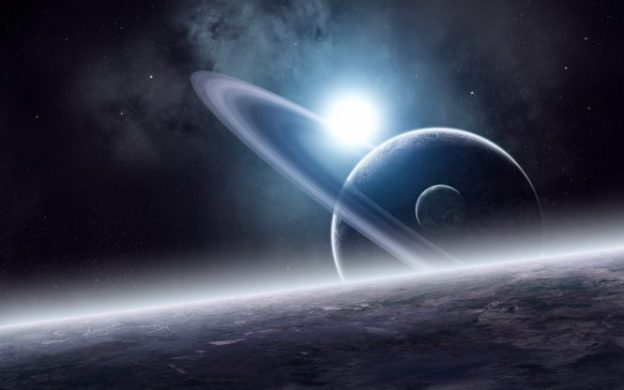
All, that I know
Of a certain star
Is, it can throw
(Like the angled spar)
Now a dart of red,
Now a dart of blue
Till my friends have said
They would fain see, too,
My star that dartles the red and the blue!
Then it stops like a bird; like a flower, hangs furled:
They must solace themselves with the Saturn above it.
What matter to me if their star is a world?
Mine has opened its soul to me; therefore I love it.
(For the image at the top, click here.)

One year of We Are Star Stuff! Here’s to many more!
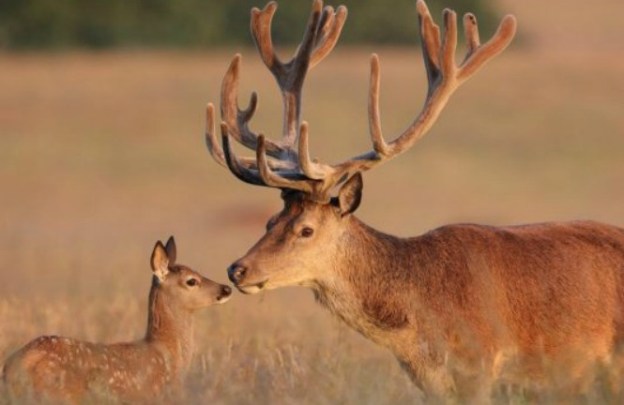
When I was writing about the Irish goddess Flidais, I said that I would be covering hunting goddesses and horned goddesses in another post. The post on hunting goddesses was duly written, but the horned goddesses slipped away.
This may be due in part to the fact that I thought of horned goddesses as a mainly modern phenomenon. The first inkling I ever had of them came from Chesca Potter’s artwork. Her image of the folkloric figure Elen (heroine of “The Dream of Macsen Wledig“, in the Mabinogion) as a horned goddess caught my attention. However, I had no context for it, and it remained an interesting picture, and nothing more.
Let those who are in favour with their stars
Of public honour and proud titles boast,
Whilst I, whom fortune of such triumph bars,
Unlooked for joy in that I honour most.
Great princes’ favourites their fair leaves spread,
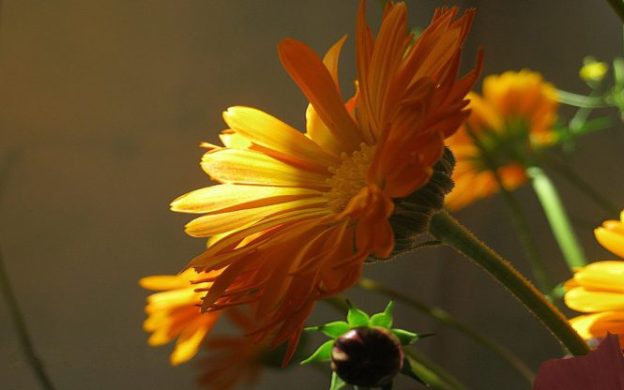
But as the marigold at the sun’s eye,
And in themselves their pride lies burièd,
For at a frown they in their glory die.
The painful warrior famousèd for fight,
After a thousand victories once foiled,
Is from the book of honour razèd quite,
And all the rest forgot for which he toiled.
Then happy I that love and am beloved
Where I may not remove nor be removed.
(For the marigold image, click here.)
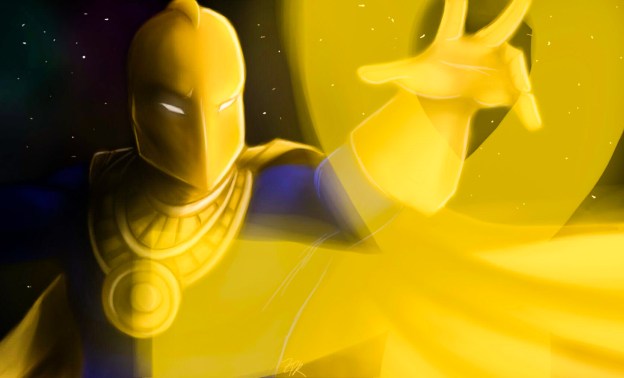
In the 1940s comics that first featured Dr. Fate, his parents were a Swedish archaeologist and his spiritualist wife. In a larger, pop culture sense, however, he was the child of Helena Blavatsky and Howard Carter.
Like all the early heroes, he distilled elements that were floating around in the culture already. Both archaeology and spiritualism had their roots in the mid-1800s. Archaeology grew out of the attempt to trace the history of Biblical events, and to establish just how much of the actual narratives could be confirmed by outside evidence.
 We Are Star Stuff