The Irish goddess Boand is famous for two things: she is the mother of the young god Aengus, whom she carried to term in a single (nine-month-long) day, and the river Boyne is named for her, after she caused it to gush forth from a magical well.

The Irish goddess Boand is famous for two things: she is the mother of the young god Aengus, whom she carried to term in a single (nine-month-long) day, and the river Boyne is named for her, after she caused it to gush forth from a magical well.

Norse mythology has many puzzles, and one of them is the imbalance in numbers between Aesir and Vanir. The Aesir, who incude Odin and Thor among their number, seem to have many associated gods and goddesses, while the Vanir seem to have only three: Njord, Freyr and Freyja.

Fate is an important part of Norse myth and culture, from the all-encompassing poem Völuspá with its vision of creation, end times, and rebirth, to the heroic sagas whose heroes and heroines are pushed by their fates into destructive acts and violence.
Fate was not just an impersonal force, but was often imagined as the norns, women who laid down fate for mortals and immortals alike. These women were present at the beginning of the world, and at births, but people’s view of them was not sentimental.
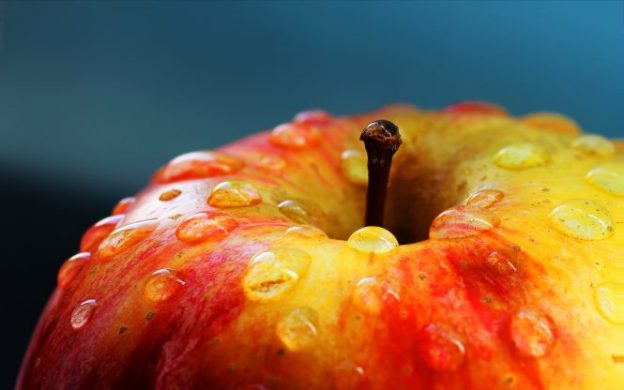
When I was researching the story of how the giant Thiazi took the apples of immortality for the giants, one thing that kept jumping out at me was how often the goddess who kept the apples, Idunn, was treated as if she were property as well.
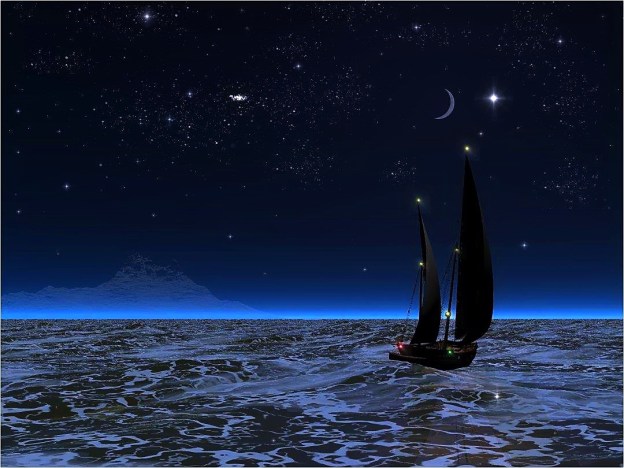
Ever since I wrote a post on Polaris, I have been wondering, is there a south pole? Sadly, there isn’t, not really.
There are two candidates for a south pole star. By 14 000 CE Canopus will, because of the wobble in the earth’s axis, be as close as it will ever get to being the South Pole, about 10° from magnetic south. The other, Sigma Octanis in the Octant, is the closest star at present. The Southern Cross points to where a south pole would be, and like Ursa Minor is a circumpolar constellation, so it’s always above the horizon.
 We Are Star Stuff