Geography made the Scandinavians a marine people, and not surprisingly ships of various kinds played an important part in their lives. It’s not surprising that they turn up in myth and art as well.
Geography made the Scandinavians a marine people, and not surprisingly ships of various kinds played an important part in their lives. It’s not surprising that they turn up in myth and art as well.
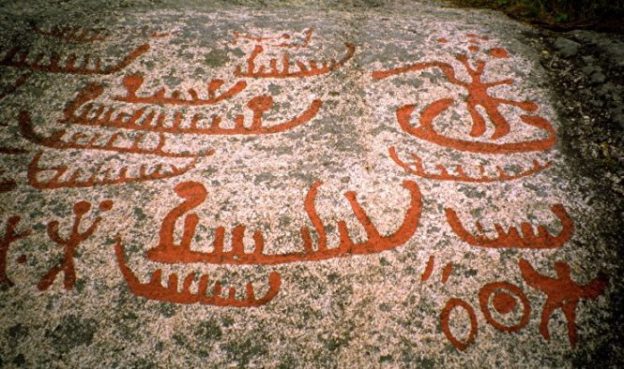
Ships played an important part in Scandinavian life, so it’s not surprising that they are also prominent in mythology and art. In these next two posts I will be discussing the cult of the Vanir and the role that ships play their myths, and then how those myths and associations also link up to death and the afterworld. The ship, like the Vanir, were associated both with wealth and prosperity, and also death and what lay after. Once again this a rather long piece, so I have split it into two posts:
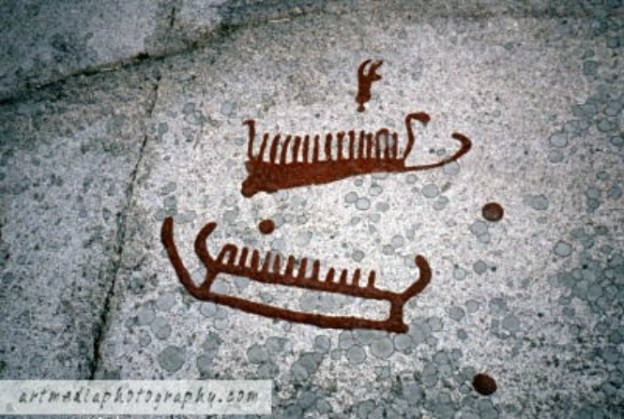
Image at top: Solberg – Rock Art in Norway. Photo by greywether.
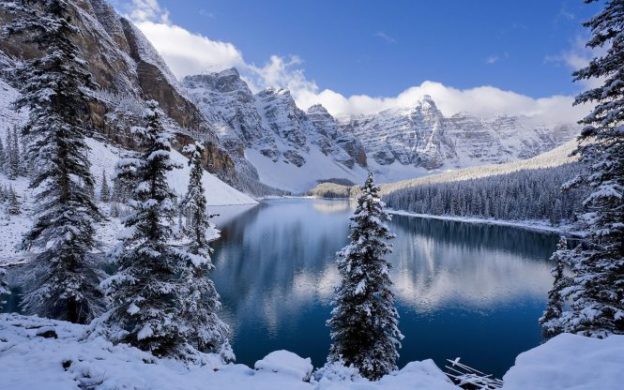
The god Ullr is another of Norse myth’s enigmatic gods, along with Heimdall. Both seem to have faded in importance by the time that the myths were being written down, although people in Sweden and Norway worshipped Ullr, and we know that invoked him when they swore oaths. He is clearly a god of winter and winter pursuits, which has led to a rebirth of sorts in the Ullr Fest held in Colorado each winter.
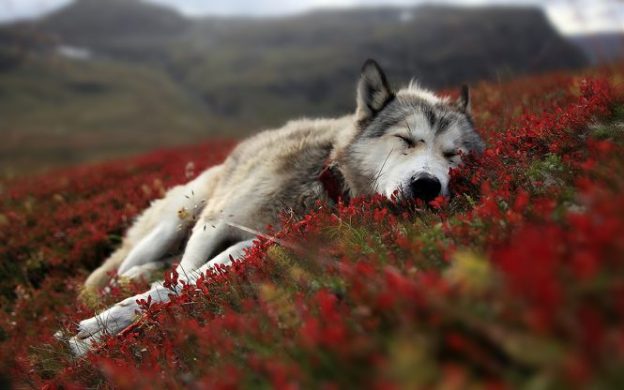
Both giantesses and witches used wolves as their steeds; a sign of their ability to control wild and dangerous forces. The wolf-riding woman could do what others could not.
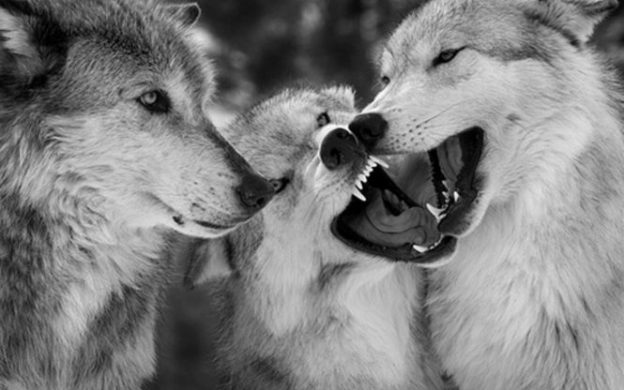
The ambiguity of wolves comes through again in the two groups of humans identified with them: warriors and outlaws. What both groups have in common is bloodshed; the difference is between legitimate and illegitimate violence. (The difference, so to speak, between Oðin’s pet wolves and Fenrir.)
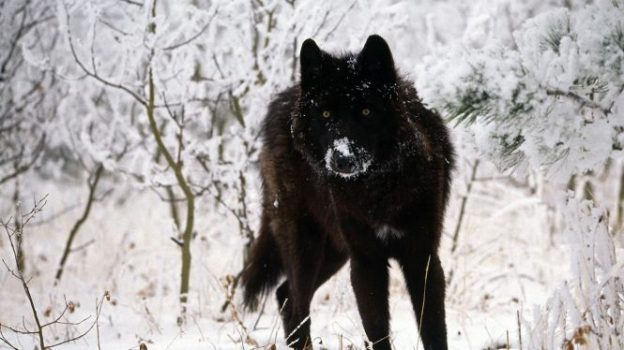
Wolves occupied a very ambiguous place in Norse myth and thought. The best of dogs is said to be Garm, but everywhere else Garm is a wolf, and a dangerous one at that. Garm is the wolf that kills Tyr at Ragnarök, (Gylf. 51) and the similarly named Mánagarm devours the moon (and presumably Máni the moon-god):
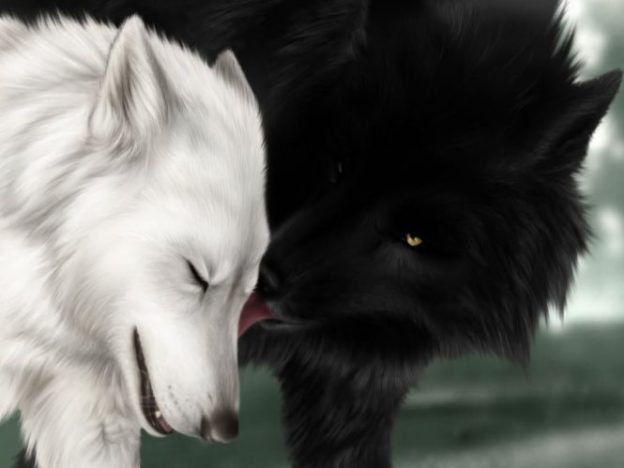
Wolves, as predatory animals and carrion-eaters, had a somewhat grim reputation among the Norse. There was the Fenris Wolf, who would devour Oðin at Ragnarok, and on a more human level, outlaws were called vargr, wolves.
At the same time, though, Oðin had two as pets, and in one Eddic poem he praises the killer wolf Garm as the “best of hounds”. Warriors gave themselves wolf-names, and in addition to the well-known berserker, Úlfhéðnar were men imbued with the ferocity of wolves.
In my next three posts, I will be taking a closer look at the ambivalent mythology surrounding wolves in Norse myth. In particular, I want to look at three aspects of the wolf-mythos:
The image of the wolf goes to the heart of the Eddic story of creation and eventual doom, and exposes some of the fractures at the heart of the society the Æsir created. I hope you will enjoy reading these posts. If you find them interesting, please feel free to comment or like them.
If you liked the image at the top, click here.
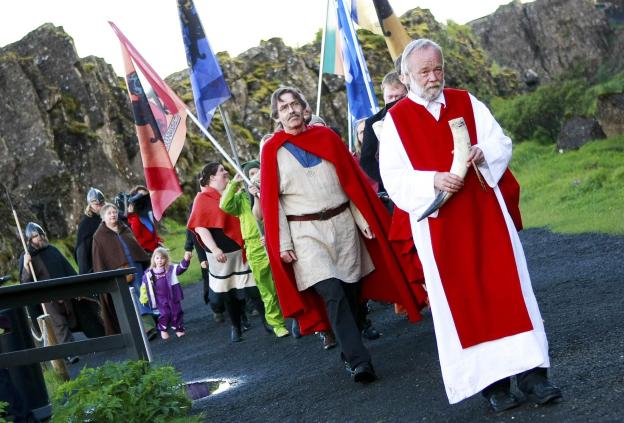
As reported in the UK’s Telegraph newspaper.

When you think of gender-bending in Norse myth, the trickster-god Loki springs to mind. Would you be surprised to know that Odin and Thor have also dragged up, albeit not very successfully in Thor’s case? (One of the areas they did not compete in during the flyting in Hárbarðsljóð; imagine how that would have gone.)

I realize that Loki’s mother Laufey and the goddess Iðunn are not obviously connected, but there are parallels between them. These reveal the power and gender politics of Norse myth. In some ways Laufey is an inversion of Iðunn.
 We Are Star Stuff