Darerca – A Neglected Saint

Why is St. Patrick’s sister so overlooked?

Finola's avatarRoaringwater Journal

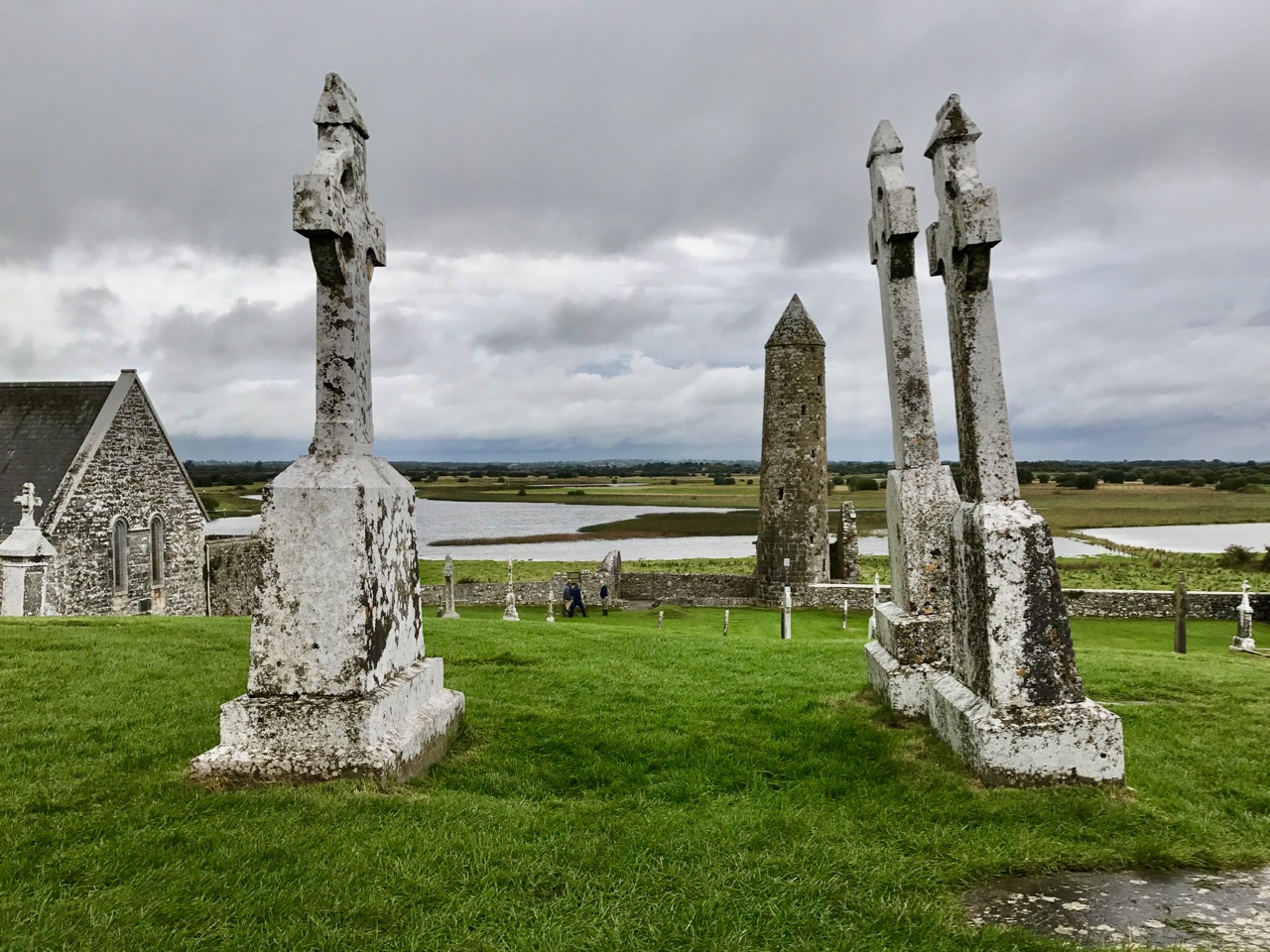
Ireland is ‘The Land of Saints’. The Catholic Online website lists 331 of them, but some get much better treatment than others. Last week we celebrated St Patrick – the news was full of it, as it always is on 17 March. Yet, just five days after Patrick’s Day – on 22 March – I was at a schoriacht and asked the assembled crowd who was the Saint for that day: nobody knew. It was the day for St Darerca and she is, unfairly, much neglected, especially since she is St Patrick’s sister. In order to redress the balance I have put together everything I can find on the story of St Darerca, and – because she has never been pictured (as far as I can tell) – I have illustrated it with some general Irish Saintly connections.
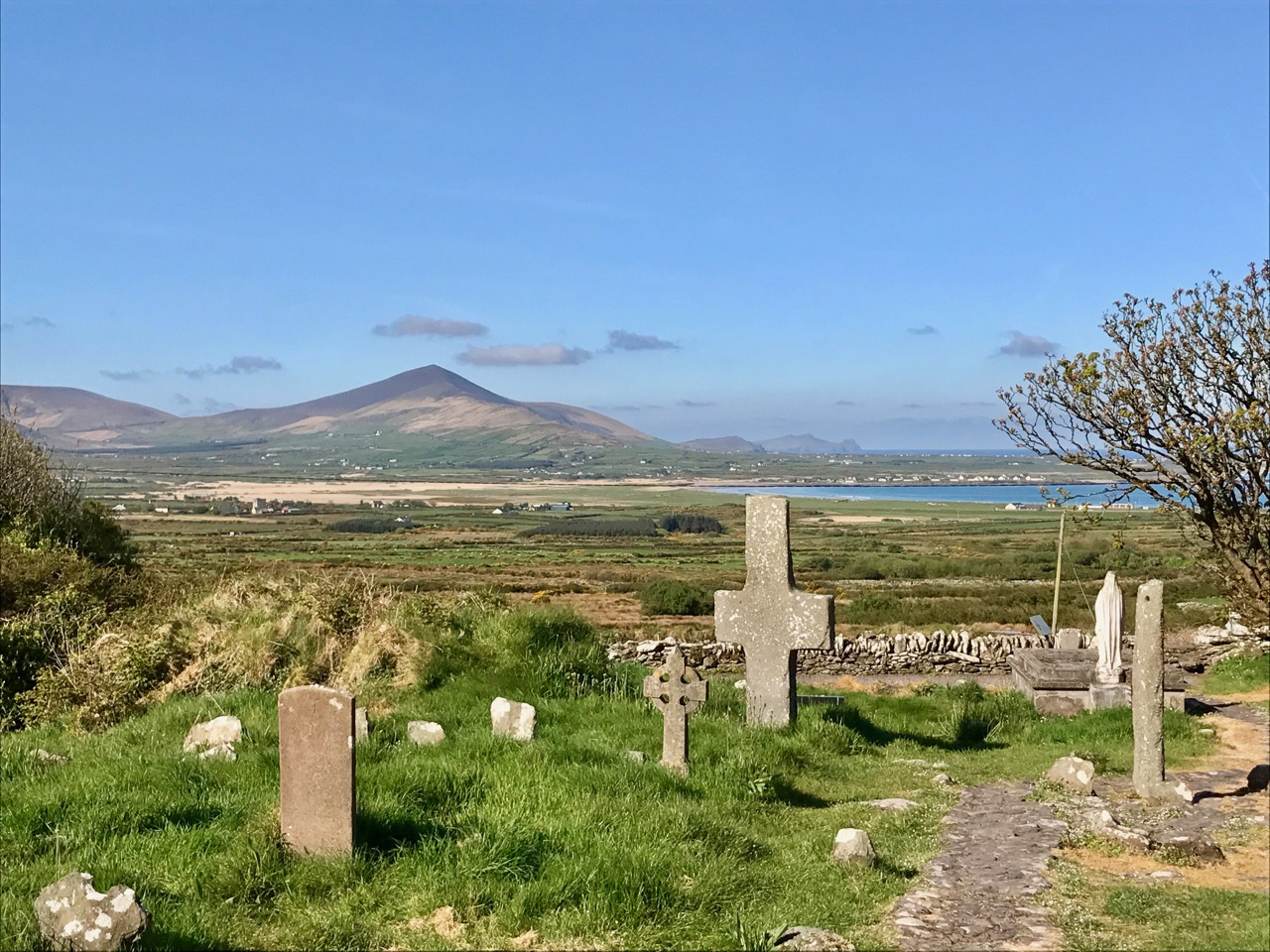
Land of the Saints: header picture – Clonmacnoise, Co Offaly –…

View original post 928 more words
Why Is Tyr Such an Unimportant God?

Some Norse gods are famous – Odin, Loki and Thor, for example. Others, like Forseti or Magni, are only known to the cognoscenti. Tyr isn’t quite as obscure as those two, but he can’t compete with the big three. It seems strange that a god whose name means “god” should be so little-known. Did he fade away, or is there another explanation?

Continue reading

Tyr, sacrifice and the wolf

Tyr was supposed to be the bravest of the Norse gods, and the proof of this was he stuck his hand in the Fenris Wolf’s mouth. He lost the hand, meaning that he gave up his sword (and oath-taking) hand so the Aesir could bind the gigantic wolf. But what did he lose, and what did he gain?

Continue reading

Sophia, Goddess of Wisdom?

Sophia, personification of wisdom, presents very different aspects depending on where you look. In the Old Testament she is “the first of God’s works”, and the books of Proverbs and Wisdom portray her as an active, independent figure who gives instruction to all who heed her. Later the Gnostics would see her as an emanation of Divine Light, often paired with the Christ, although in Greek myth Sophia was an abstract personification with no myth.

Later Western Christian theology merged her with Mary, while the Russian and Orthodox churches saw Wisdom as part of Christ. Her apotheosis came in modern times, beginning with Theosophy and culminating in the Goddess and feminist spirituality movements, who consider Sophia a Goddess with a capital G.

Continue reading

Heimdall, the world-tree, and humans

The first humans, in Norse myth, were made from two pieces of wood. Trees, humans and gods are closely connected, and the guardian god Heimdall and the world-tree Yggdrasil have a particularly strong bond. Humans, too, are a special care of his, as he intervened at time’s beginning to make them his kin.

Continue reading

Hera, women and marriage

Hera was the women’s goddess – “By Hera” isn’t just something Wonder Woman says, it was a common Greek oath among women in Classical times. (Although Socrates used it too.)

Hera’s titles included Pais (Girl), Nympheuomenê (Betrothed), Teleia (Adult Woman), and Khêra (Widow), all relating to stages in a woman’s life. One of them, Teleia, could take on several meanings, as you’ll see in the section on the Daidala festival of Platania.

Continue reading

Kvasir

Kvasir was the Norse god whose blood became the first mead, a drink that made a poet out of those who imbibed it. This drink, blood fermented with honey, was the motive for several murders, and wound up in the hands of the god of poets and inspired ecstasy, Odin.

The story of Kvasir is one level another John Barleycorn story – he dies to make mead, just as Barleycorn did to make beer. But there’s clearly more to the story, given that mead bestowed wisdom, just as Kvasir had while alive. He shared freely with all he met, and died for it.

Continue reading

150 000 views!

and it only took me three years… seriously, I’ve been blogging since Jan. 2015, and in that time I’ve gone from 30 views in my first month to 8 159 this January. Thanks to everyone who stopped by, and here’s hoping you’ll continue to find something here to interest you.

Alauna and Boudina: nurturer and warrior

The title of this post might seem a bit catchall, but it was inspired by the goddess Alauna and Boudina, who appear together on a couple of altars in Romanized Germany, while the similarly-named Alounae seem to be mother-goddesses from modern Austria.

As with Dea Vecana and Meduna, another pair of Germanic goddesses, one is warlike, while the other is more peaceful. The name Boudina comes from the Celtic root boudi-, victory, while Alauna means either nourisher or wanderer.

Continue reading