Category Archives: Goddesses

Will the real sun-god (dess?) please stand up?

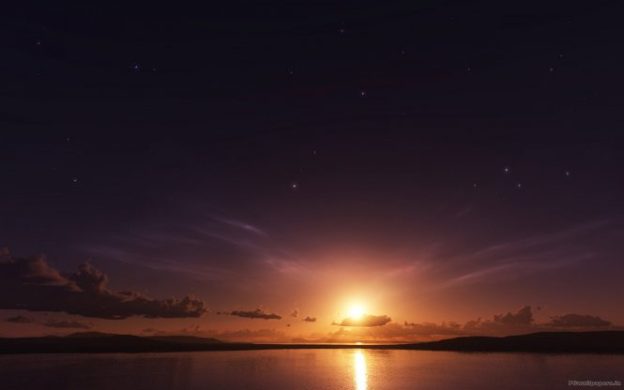
It seems almost ridiculous to be writing a post proving that Norse had a sun-goddess. After all, it’s right there in the sources that the sun is a goddess, either a human plucked from the earth to drive the sun’s chariot, or else a being who goes back to the time of creation.

Continue reading

Sol and Sunna: the Sources

In this post I have assembled all the written evidence I could find for sun-worship in pre-Christian Germanic and Scandinavian culture. I haven’t covered rock art or other visual evidence for the cult of the sun here as that is a post in itself.

Continue reading

Nerthus and Njorun: a Norse Mystery

(This post is adapted from material in my new book on Njord and Skadi.)

One of the great puzzles of Norse mythology is the problem of Nerthus and Njord. The Germanic goddess Nerthus, whose cult is described by the Roman historian Tacitus, in the first century AD, is not attested in any other source, but her name is linguistically the same as that of the Scandinavian sea-god Njord, who appears in sources roughly 1 000 years later.

Since Snorri tells us in the Ynglinga saga that Njord had a sister who was his wife, the mystery seemed solved: Nerthus was his sister, just as Freyja was Freyr’s.

Continue reading

Sunna’s Stead

In my post on Mani the Norse moon-god I tried to work out what powers he might have, based on the few references to him in the Eddic poems, and especially in Völuspá. This time around I will look at his sister, Sol the sun-goddess.

Continue reading

Sokkvabekkr and Saga: Beneath the Waves

In my post on the enigmatic Norse god Hœnir, I mentioned two goddesses, Frigga and Saga. I argued that Hœnir personified poetic memory and inspired speech. His partner, Mimir, was the god of memory, without whom he couldn’t speak at all. Like our gods, Frigga and Saga have access to the knowledge of fate and of history. And like our two gods, one of them tells about it, the other doesn’t.

Continue reading

Goddesses of Hunting and the Wild

Besides Flidais, there are many Celtic goddesses of the hunt and the wild. I have listed several continentsl ones below, as well as the evidence for the cult of Diana in Britain.

The individula goddesses are easier to read, because they appear under their own names, while the name Diana may or may not be hiding a native goddess. (The god Silvanus presents the same problem.) We know of at least two of these hybrids: Diana Mattica and Abnoba.

Continue reading

Flidais: A Chariot Drawn By Deer

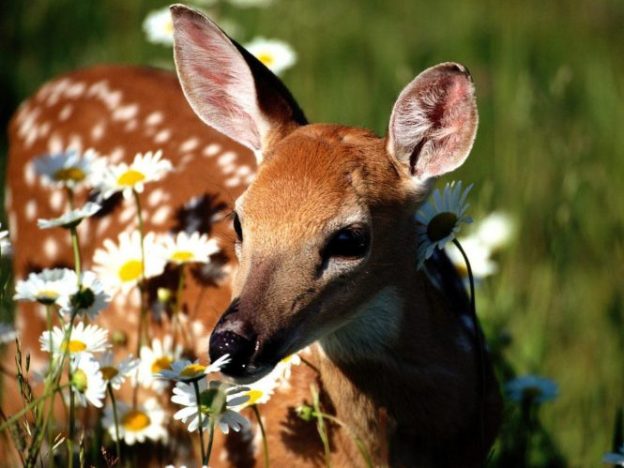
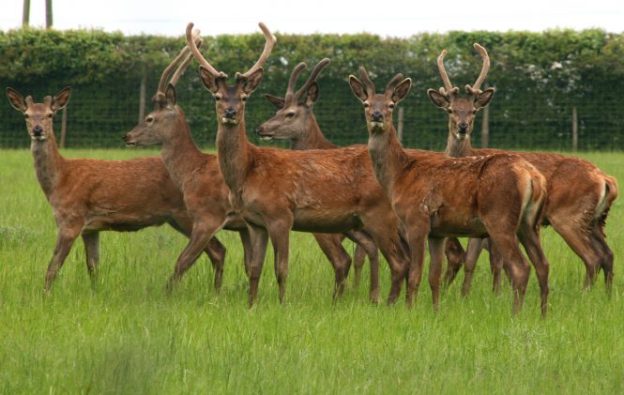
Where did the idea that Flidais rode in a chariot drawn by deer come from? It’s not in her main legend, the Táin Bó Flidais, nor in the follow-on story, the Táin Bó Cúailnge. It’s an attractive image, bringing to mind the Middle Eastern goddesses with their lion-drawn chariots,  Freyja with her cats, and Nerthus in her wagon drawn by heifers.

Continue reading

The Tain Bo Flidais

The Táin Bó Flidhais, or The Book of the Driving of Flidais’ Cattle, is the main source of information about the goddess Flidais. This story has been preserved in two versions, a shorter version in the Book of Leinster, and a longer one in the Yellow Book of Lecan.

Continue reading

Flidais: Is She a Goddess?

Flidais was a figure of Irish mythology, surnamed Foltcháin, “beautiful (or soft) hair”. She had a magical cow, the Maol, as well as herds of cattle and of deer. She is usually considered a goddess of abundance (cows were wealth), sovereignty, feasting, magic, hunting and sexuality. Her dual nature, exemplified in the cows and deer, mingles the domesticated with the wild. Continue reading

The Dark Side of the Sun: Circe, Medea, Pasiphae, Hecate

This post covers the darker side of Helios‘ family. These include Circe, Pasiphaë, and his granddaughters Medea and Hecate. Unlike his brighter descendants, who were mostly the children of Klymene, these were the children of Perseis, an Oceanid nymph. (Her name comes from the word persô, meaning to destroy, slay, ravish, or sack with fire, so perhaps her dangerous offspring shouldn’t be a surprise.)

Continue reading