The world’s light shines, shine as it will,
The world will love its darkness still.
I doubt though when the world’s in hell,
It will not love its darkness half so well.
Richard Crashaw

The world’s light shines, shine as it will,
The world will love its darkness still.
I doubt though when the world’s in hell,
It will not love its darkness half so well.
Richard Crashaw
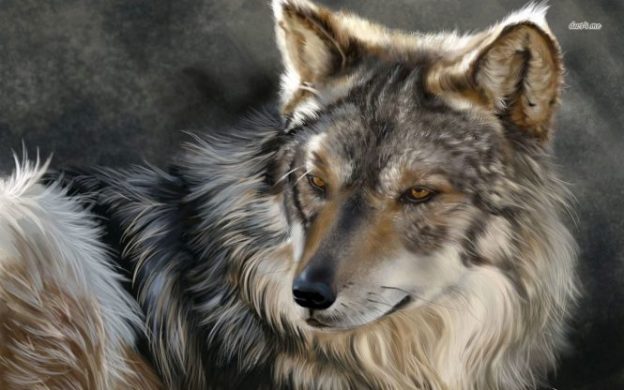
The Greek god Apollo is the most rational, artistic and fastidious of the Olympians. So why is an animal noted for its ravening nature part of his cult?
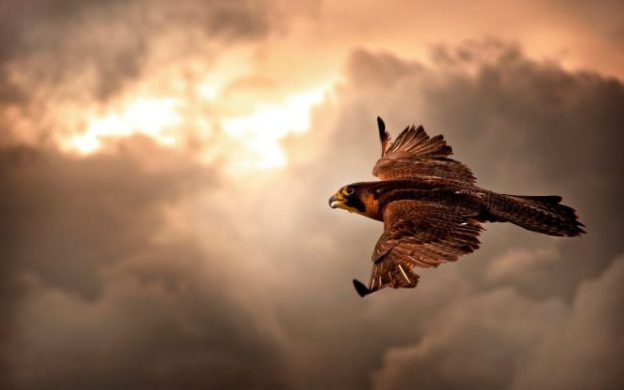
Horus is one of the oldest Egyptian gods, possibly reaching back to predynastic times. His conflict with Set, the desert-god, was one of the basic myths of Egyptian religion, long before Horus joined to the Isis-Osiris family.

Light breaks where no sun shines;
Where no sea runs, the waters of the heart
Push in their tides;
And, broken ghosts with glowworms in their heads,
The things of light
File through the flesh where no flesh decks the bones.
A candle in the thighs
Warms youth and seed and burns the seeds of age;
Where no seed stirs,
The fruit of man unwrinkles in the stars,
Bright as a fig;
Where no wax is, the candle shows its hairs.
Dawn breaks behind the eyes;
From poles of skull and toe the windy blood
Slides like a sea;
Nor fenced, nor staked, the gushers of the sky
Spout to the rod
Divining in a smile the oil of tears.
Night in the sockets rounds,
Like some pitch moon, the limit of the globes;
Day lights the bone;
Where no cold is, the skinning gales unpin
The winter’s robes;
The film of spring is hanging from the lids.
Light breaks on secret lots,
On tips of thought where thoughts smell in the rain;
When logics die,
The secret of the soil grows through the eye,
And blood jumps in the sun;
Above the waste allotments the dawn halts.
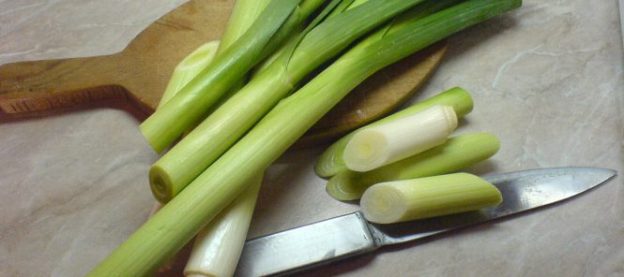
In an earlier post, I discussed a possible magical formula for preserving and reviving dead body parts. This time I want to consider who these revived bits were being offered to: the giantesses.
This is a post by a Roman polytheist about Freyja. It has a lot of insights into the nature of the Lady, and how similar she is to Odin. All the Vanir are travelling deities, in one way or another, but I think with Freyja this gets overlooked.
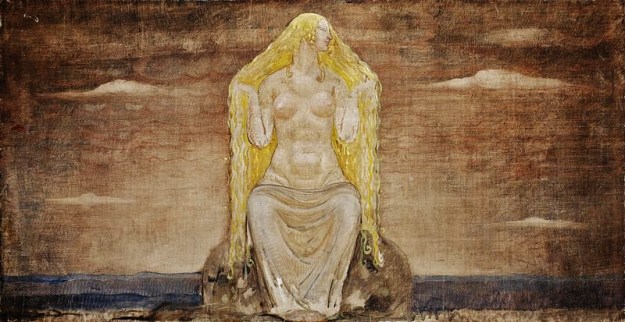
There’s certainly no obvious reference to it in the surviving lore, where She’s…
View original post 693 more words
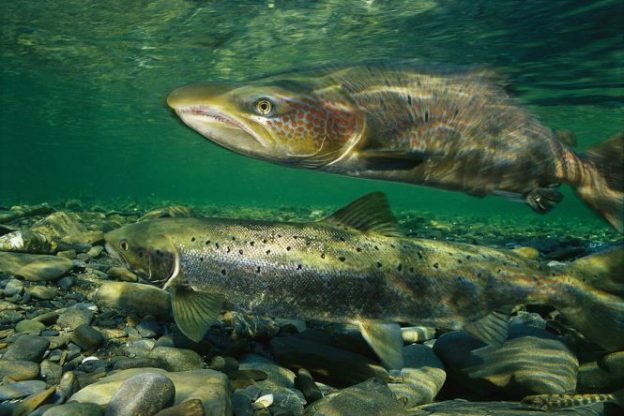
You might wonder, why are salmon wise? Their ability to return to their birthplace to spawn may have given rise to the idea that they had special knowledge. Their travelling between salt and fresh water shows an adaptability most fish don’t have, and their jumping (immortalized in the Celtic warrior’s salmon leap) is impressive, and gives them their English name (from Latin salire, to jump).
The child insisted on being carried
to touch the pine, the oak, oak, pine,
and I grew numb under that adamant voice.
My arm throbbed as she tried to decide:
Cone? Acorn? Needle? Leaf?
It’s only thanks to the half light
that we can go home, she prancing
on my shoulder, trying to braid
my wisp of hair, singing absently.
Thrush or vireo, loud and invisible,
slurring two manic notes:
wherever it calls from is the center.
Lake behind the scrim of alder
like a plenitude you long for
all of your life, most of all at the end.
Lit window like a force
you can’t imagine knowing you
but it consumes you without reflection.
World like a hole to fall into
forever, or else a curtain
you might stick your hand through.
Soon even she will tire of her song,
how it meets itself coming and going,
the vast spaces between notes,
the snarky refrain, Damariscotta,
the first faint stars, and she’ll put
her sticky hand over my eyes: pine.
– D. Nurkse

There are many figures in Irish myth and legend whose names are Finn or Find, or some variation, such as Fintan. Many of these are associated with inspiration and wisdom, and some also tap in the archetypes of the divine child and poet. The name means “fair, bright, white, lustrous, light-hued”, which connects it to Welsh Gwyn and the Gaulish god Vindonnus.

Thanks to everyone for stopping by!

 We Are Star Stuff