Link

Having powers isn’t all there is to being a super-hero. Black Canary proves that just as much as Batman.

Reid Vanier's avatarModern Mythologies

For the large number of non-powered heroes in superhero comics, a very common narrative theme is what they could or would do if given superhuman abilities. In a variety of examples, the transformation either proves incredibly effective or incredibly damaging – sometimes even both. Invariably, the change is a temporary anomaly and the hero is returned to their depowered state, appreciative of the burden of superpowers and emboldened to live up to those expectations to the best of their human abilities. But for Dinah Laurel Lance, aka the Black Canary, the drive and commitment to human perfection comes in spite of possessing superpowers, as opposed to in lieu of them.
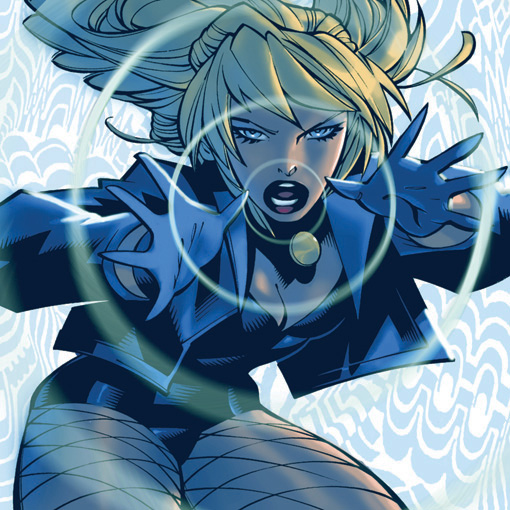
Dinah Laurel Lance, aka Black Canary - DC Comics Dinah Laurel Lance, aka Black Canary – DC Comics

The Silver Age Black Canary’s biography and origin have changed and evolved through successive retcons; originally the daughter of the non-powered Golden Age Black Canary, Dinah Lance possessed the metahuman ability to…

View original post 984 more words
Epona: Divine Horse

We are used to the idea that the Celts took up Roman gods and equated them with their own. (Or that the invading Romans renamed them.) However, the process could just as easily go the other way.

The best-known instance of this is the Gaulish horse-goddess Epona, who became very popular first with the cavalry units of the Roman army, then with the Roman populace, who took her into their homes and stables. She was the only Celtic deity with a holiday in the Roman calendar: December 18th. The Romans don’t seem to have had an indigenous horse-deity (except perhaps Neptune, who had other things to attend to), but the Celts were horse-mad.

Continue reading

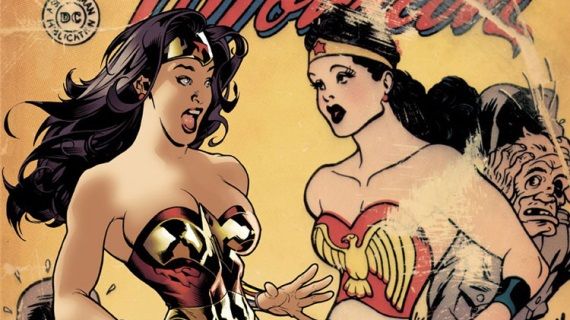
Wonder Woman: I Need a Hero(ine)

The Ages of Wonder Woman: Essays on the Amazon Princess in Changing Times – ed. Joseph J. Darowski
A Golden Thread: An Unofficial Critical History of Wonder Woman – Philip Sandifer
The Secret History of Wonder Woman – Jill Lepore
Wonder Woman Unbound: The Curious History of the World’s Most Famous Heroine – Tim Hanley

All four of these books address one central issue: what is it to be a heroine and a woman? We’ve had the philosophical take on both Superman and Batman, as well as Batman on the couch. (Hell, the philosophers even had a bash at Green Lantern.) With Wonder Woman, it seems that books are like buses – you wait for ages and then there’s four at once.

Continue reading

Odin’s Eyes: Sun and Moon?

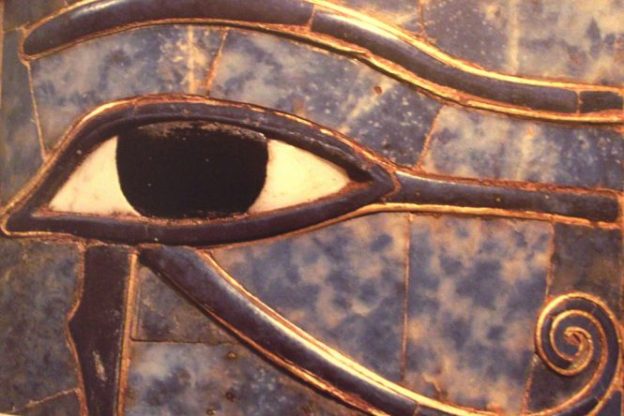
What do the Egyptian god Horus and the Norse god Odin have in common? Both of them are said to have the sun and moon as their eyes. The difference is that this belief about Horus dates back to very early Egyptian religion. As far as I can tell, the same statement about Odin comes from some 19th and 20th century writers.

Continue reading

Apollo: the swan-god

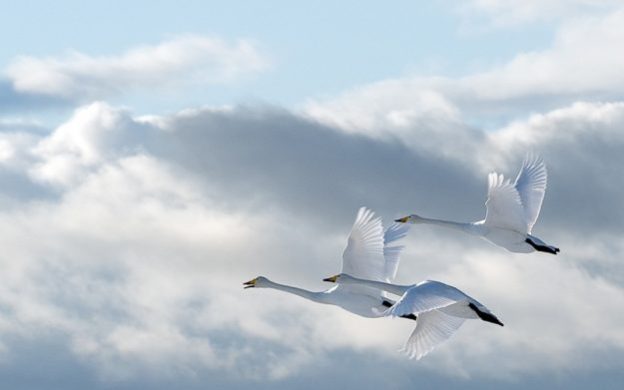
The philosopher Plato recorded the last words of his mentor, Socrates, in a dialogue called the Phaedo. According to him, Socrates tried to console his followers by contrasting the nightingale and the swan. In myth the nightingale sang for sorrow, while swans only sang once, at their death. Socrates argued that swans sang because, as Apollo’s birds, they could foresee the joys of the afterworld.

Continue reading

Arcturus: Bear-Guard

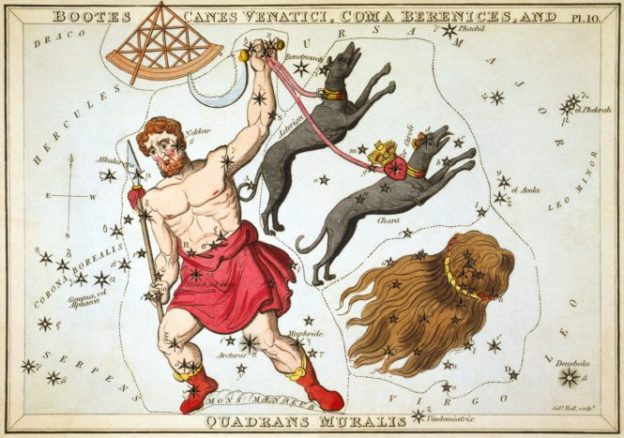
Arcturus is an orange giant, and the fourth brightest star in the sky. Its moment of earthly fame came during the Chicago World Fair of 1934. There had been a World Fair in Chicago in 1893, and they calculated that light leaving Arcturus then would arrive in time for the new Fair.*

Continue reading

Divona: the Divine

Imagine living in a world in which clean drinking water could not be taken for granted. Even now, in many parts of the world, people have to walk miles to get it, and in the Western World we aren’t immune from boil orders and other disruptions.

So it isn’t surprising that many peoples had a deity of fresh, drinkable water. The Romans had the god Fons, among others, from whom we get the word fountain, and the Celts in what is now Bordeaux showed their sense of priorites by worshipping a goddess of clear, drinkable water. Her name was Divona, the Divine One.

Continue reading

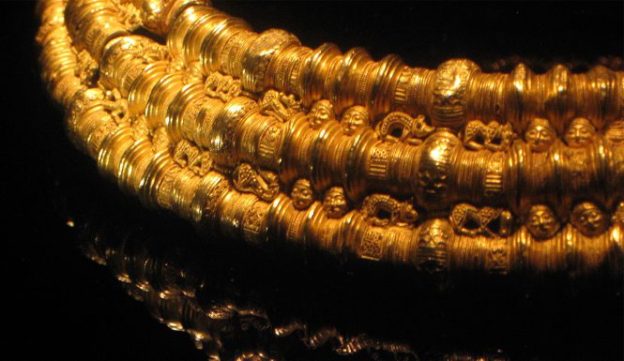
What exactly is Brisingamen?

This is one of those questions with a short and a long answer. The short answer is that it is the Norse goddess Freyja’s necklace. The longer answer is that the necklace, and its owner, were intimately linked. The jewel and the goddess were linked in the same way as Thor and his hammer: an attribute that could both symbolize the deity and embody their power.

Continue reading

Arianrhod and Gwydion: the contest

The fourth branch of the Mabinogion is shaped by exchanges between Arianrhod and Gwydion. From the moment he brings her into the story by suggesting her as Math’s footholder (which seems such an innoncent idea: let’s get my sister, your niece, to do it!) the two are at odds. For the two men subject Arianrhod to a chastity test, since Math’s footholder must be a virgin, a magical condition laid down for his kingship.

Arianrhod fails the test in grand style, giving birth to not one but two boys. Math has one of them baptized and names him Dylan, but this son opts out of the family quarrels and goes to live in the sea. The rest of the story follows the career of the other son, Lleu, as Gwydion tries to get around the curse that Arianrhod has laid on her son.

Continue reading