Reblogged from Jason Mankey’s Raise the Horns blog on Patheos:
Reblogged from Jason Mankey’s Raise the Horns blog on Patheos:
Most of us have heard the romantic story of how a new Celtic goddess, Senuna, was discovered after nearly 2000 years by amateurs with metal detectors. Twenty-six pieces of gold and silver had been deposited in a pool at Ashwell, UK, presumably from a nearby shrine, where they had been been offered to the goddess.
Why is St. Patrick’s sister so overlooked?
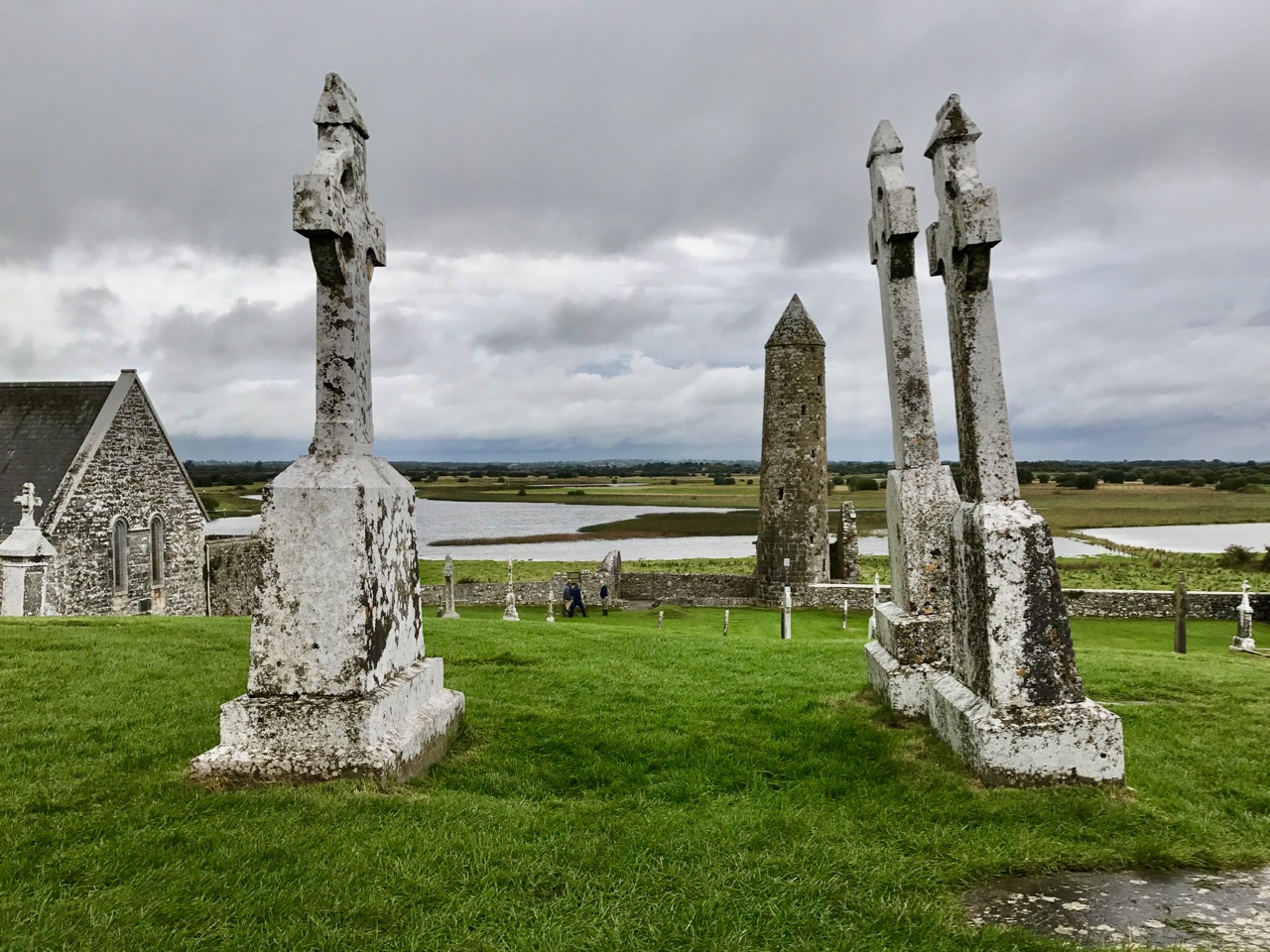
Ireland is ‘The Land of Saints’. The Catholic Online website lists 331 of them, but some get much better treatment than others. Last week we celebrated St Patrick – the news was full of it, as it always is on 17 March. Yet, just five days after Patrick’s Day – on 22 March – I was at a schoriacht and asked the assembled crowd who was the Saint for that day: nobody knew. It was the day for St Darerca and she is, unfairly, much neglected, especially since she is St Patrick’s sister. In order to redress the balance I have put together everything I can find on the story of St Darerca, and – because she has never been pictured (as far as I can tell) – I have illustrated it with some general Irish Saintly connections.
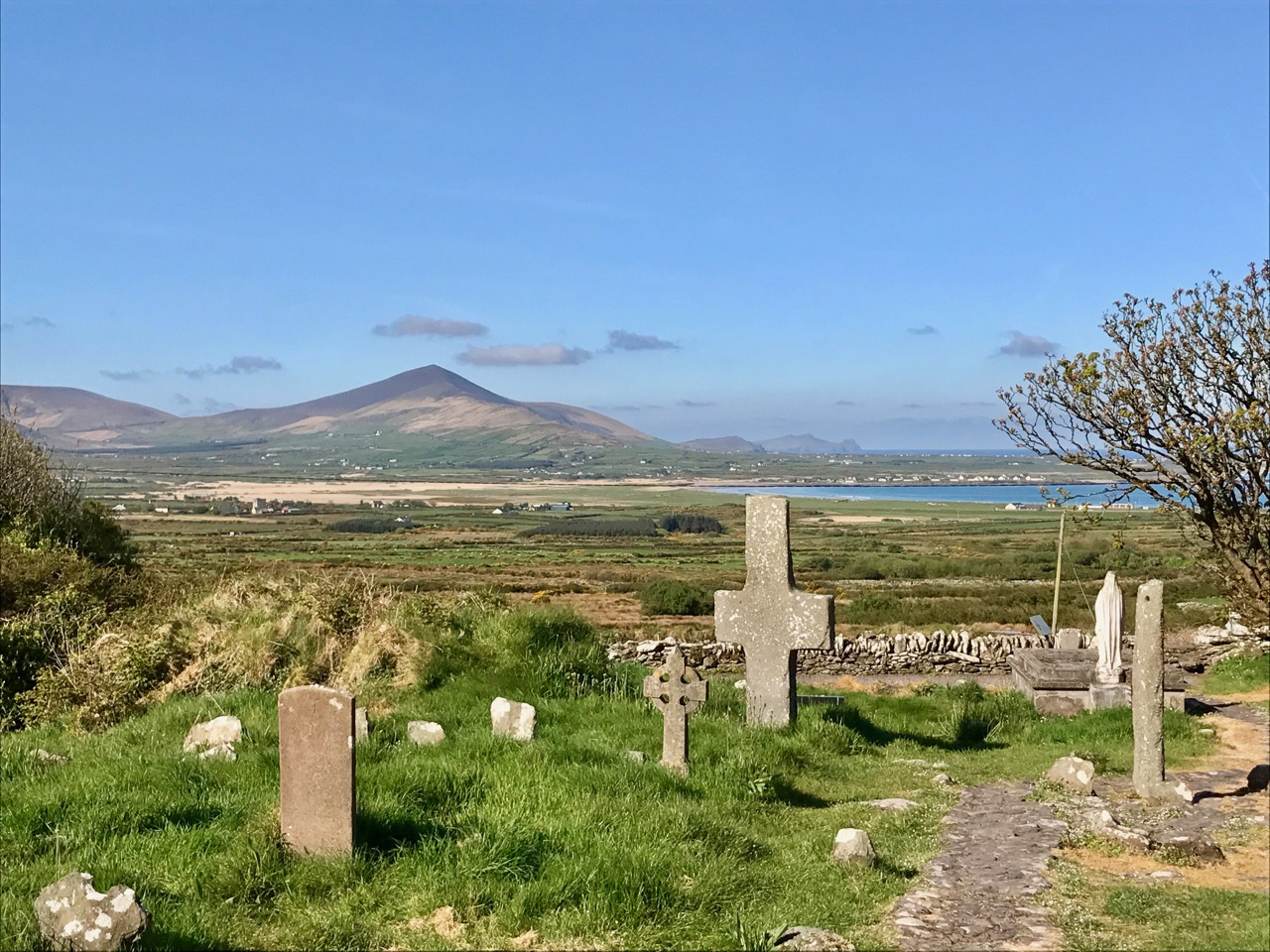
View original post 928 more words

The title of this post might seem a bit catchall, but it was inspired by the goddess Alauna and Boudina, who appear together on a couple of altars in Romanized Germany, while the similarly-named Alounae seem to be mother-goddesses from modern Austria.
As with Dea Vecana and Meduna, another pair of Germanic goddesses, one is warlike, while the other is more peaceful. The name Boudina comes from the Celtic root boudi-, victory, while Alauna means either nourisher or wanderer.

Gaulish Alesia, the home of Ucuetis and Bergusia, was nearly lost to history entirely. After Julius Caesar’s military successes in Gaul, the Celtic tribes formed an alliance to push the Romans back, led by the Arverni chieftain Vercingetorix. At first the Gauls scored several victories against the Romans, but at Alesia the Roman army settled down to a seige which only ended when Vercingetorix surrendered.
After that Alesia became a Roman oppidum, and seems to have prospered, becoming famous for its metalworking. In the 5th century, after the Western Empire collapsed, the Gauls abandoned the town. Alesia’s location became a mystery, solved only in 1838 when an inscription, IN ALISIIA, was uncovered. Napoleon III ordered archaeologists to excavate around Mt. Auxois, confirming that Alise-sur-Reine, near Dijon, was Alesia.
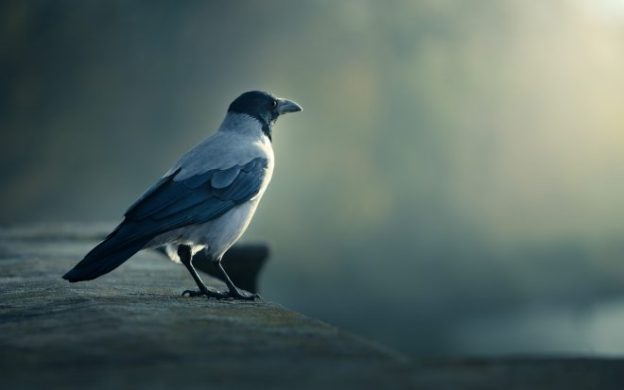
The Irish Badb was one a number of terrifying goddesses of war. She could work battle magic to terrify the enemy, or just kill them with her terrifying shrieks. Badb could be one or many, and sometimes teamed up her sisters the Morrigan and Macha to wreak destruction.
The name badb comes from a Celtic root meaning “fury” or “violence”, from the Celto-Germanic *bodou, battle. The carrion crows that appeared at battlefields led to the other meaning, crow, and the idea of a crow goddess, so that Badb Catha meant “Battle Crow”. (Heijda: 12)
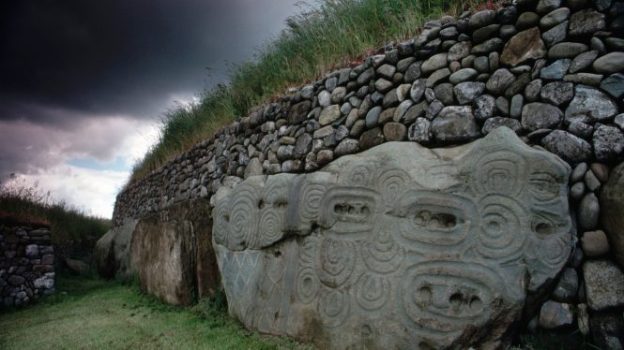
The Dagda is the head of the Irish pantheon, whose name means the “Good God”. He is head of the Tuatha de Danann, and was king of Ireland between Nuada and Lugh, but he can also take on the appearance and manners of a peasant farmer. He has been compared to his fellow Celts Sucellos and Cernunnos, but he also resembles the Norse god Odin, being changeable and tricky as well as a great magician.
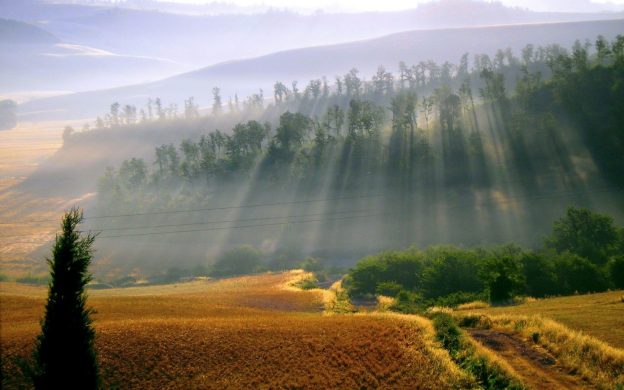
In the Irish myths a mysterious phrase crops up: the gods and the non-gods (or un-gods). We all know what a god is, but what is an non-god?

 We Are Star Stuff