When I was researching the story of how the giant Thiazi took the apples of immortality for the giants, one thing that kept jumping out at me was how often the goddess who kept the apples, Idunn, was treated as if she were property as well.
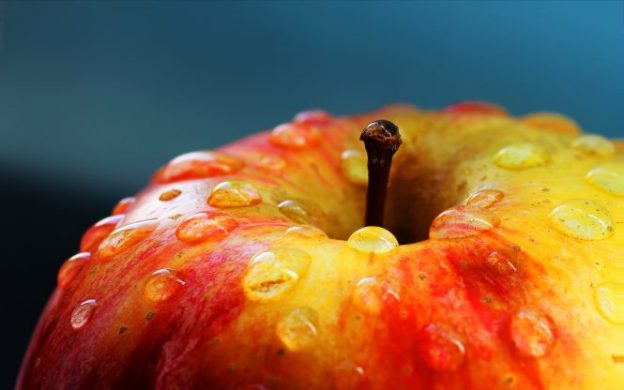
When I was researching the story of how the giant Thiazi took the apples of immortality for the giants, one thing that kept jumping out at me was how often the goddess who kept the apples, Idunn, was treated as if she were property as well.
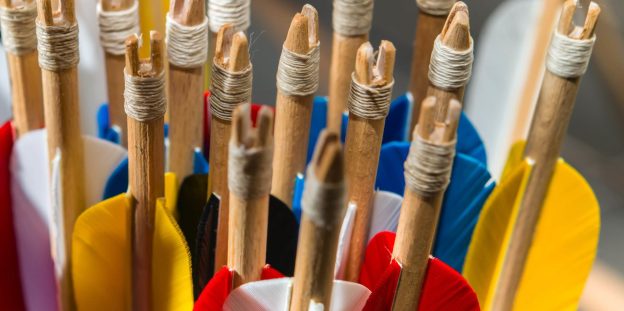
The bow and arrow were so useful that the Norse had two different deities associated with them: Ullr and Skadi. Ullr skiied, travelled across the ice, and shot game with his bow. The giantess Skadi also skiied and lived in the mountains, like the indigeneous Sami, whose lifestyle was so different from that of the sea-faring and farming Norse.
Hunting with a bow was a Sami trait, along with the use of magic. Norse sagas don’t come right out and condemn archery, but in Norse myth Tyr and Thor use close-combat weapons, although Odin uses the arrow’s near relative, the spear.
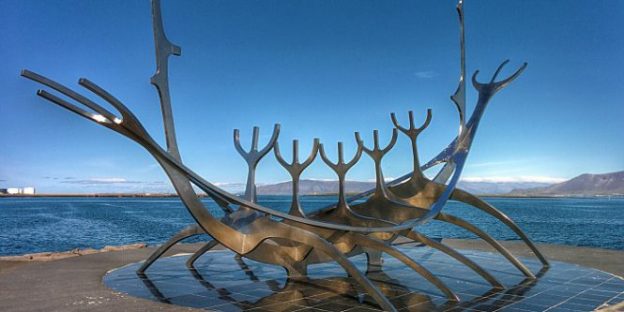
When you think of Norse myths, you tend to think of Thor, smiting the giants, or Odin, outwitting his opponents. Or perhaps you think of Loki, causing mischief wherever he goes.
But life is not all battles and uproar. Alongside the gods of war were the gods of peace and plenty, the chief of whom was the god Njord. Poets used his name as a kenning for “warrior”, so he must have been able to fight, but his real interest was good harvests, peace for his people, and wealth.
Njord’s nature reflects Norse society: we often think of him as a sea-god, but he really looked after sailors, merchants and all who travelled on the sea. Equally important, the god known as Njord the Wealthy would make your voyage worthwhile.

Human rulers die, and the next generation takes over. Sometimes the older generation gets “helped” off the throne, either by assassination or war. So it’s not surprising that mythology has many versions of this succession story, which rarely involve peaceful inheritance.

This is an extremely condensed look at the myth of Njord and Skadi. For a much more detailed study, see my book Njord and Skadi: a Myth Explored.
The myth of Njord and Skadi could also be called the Divine Divorce. Usually, even unhappily married deities stay together, but these two bucked the trend. Skadi married Njord as part of a settlement after the gods killed her father, but the marriage didn’t last.
Popular sources describe this story as a nature-myth, with the sea-god and the mountain-goddess being unable to find common ground. This myth, however, has multiple meanings, and goes to the heart of Norse myth and the god-giant conflict that will bring destruction.
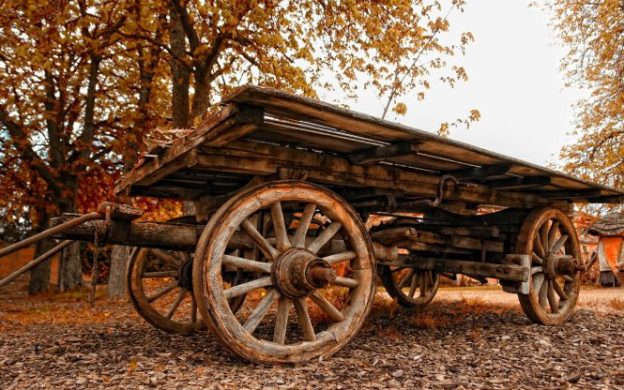
We know very little about the gods known as the Vanir, or their cult. One common thread, especially in the cult of Freyr, was taking the god’s statue for a tour in a wagon, so worshippers could see their deity, and be blessed by them.
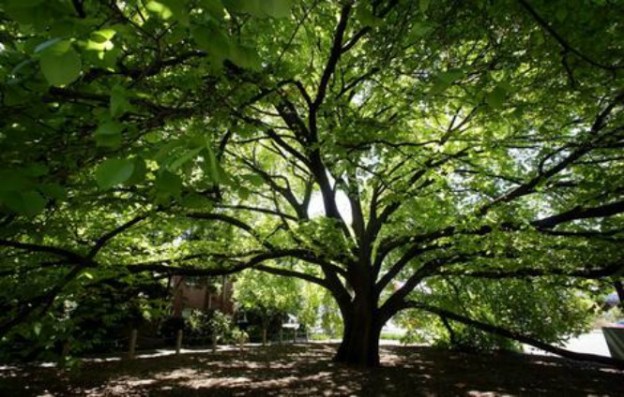
Back in the spring I was inspired by Adam Hyllested’s ideas about the Hyldemoer to write my own post about the Elder Mother. This led on to two other posts, on rowan and birch. I assumed that I had exhausted the subject of feminine powers associated with trees, but I was wrong.
A week ago Neorxnawang passed on a link to a paper on the mysterious goddess Ilmr. She appears in a list of goddesses and another of kennings for “woman” in the Prose Edda. Her name also appears in poetry, mostly as – you guessed it – part of a kenning for “woman”. The paper, by Joseph Hopkins, suggests that Ilmr may be an elm goddess, connecting her name to the word almr, elm.
My last post on Gefjun touched on the question of her status. She is counted among the goddesses, but so are Skadi, Gerdr and Jord, all of whom are giantesses by birth. John Lindow has argued that she was obviously a giant or other primal being, although others have seen her as an earth goddess. So is she a goddess, a giantess, or both?

Gefjun will be forever be famous as the goddess who gave Zealand to Denmark. The Danes immortalized her feat with a fountain in Copenhagen harbour, showing her and her oxen ploughing out the land.
She has many similiarities to Odin, as a goddess who travels between worlds, tricks mortals, and straddles moral and sexual boundaries. Far from being an earth and ploughing goddess, Gefjun is a magical and complex figure.

This week’s post could easily have been called “fearsome deities“: Odin, whose name means “fury”, and the Morrigan, who steps out of the fairy realm to stir up war and slaughter. It’s not hard to see what they have in common.
 We Are Star Stuff