
Category Archives: Mythology

it could be argued… that any myth is a neutral structure that allows paradoxical meanings to be held in a charged tension. Indeed, we might argue that this is one of the defining characteristics of a myth, in cotnrast with other sorts of narriatves (such as novels): a myth is a narrative that is tramsparent to a variety of constructions of meaning.
(Wendy Doniger, The London Review of Books, 30: 7 (10 April 2008): 27-29)

Underground Shrines of the Inspired Ones (reblog)

Greg Hill’s poem ‘Gutuater’ led me to the section on the underground shrine of the Chartres ‘magician’, dated ‘to the second century AD’, in Miranda Aldhouse-Green’s Sacred Britannia (2018). In 2005, during excavations for a car park in the centre of Chartres the construction workers found a ‘basement shrine’ accessed by ‘a wooden ladder and ‘a cache of sacred material, including pottery vessels, oil-lamps and a broad-bladed knife, of the kind used in killing sacrificial animals.’

For more on how the Celtic underworld gods were worshipped, click here.

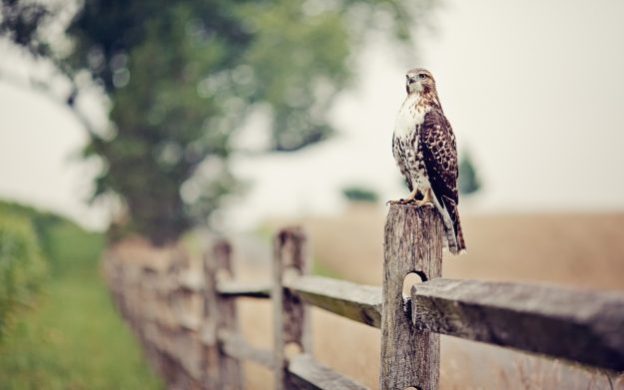
The image at the top comes from Thomas Stephan, on Unsplash.
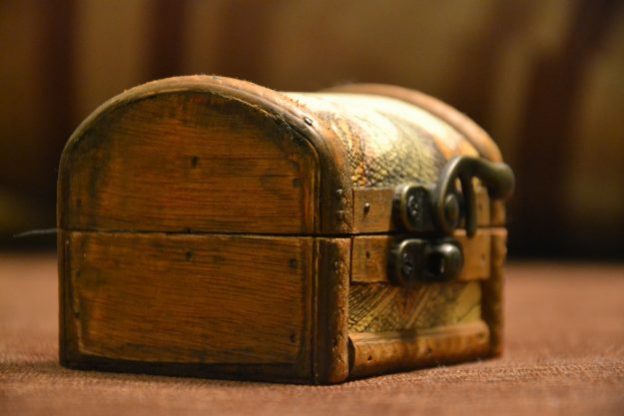
Fulla: goddess of secrets

Fulla is one of the lesser-known Norse goddesses, described in the Prose Edda as Frigga’s right-hand woman. (Closest comparison Ninshubur and Iris/Hebe?) Her name means “Bountiful”. She only appears in one myth, but we do know a few things about her, thanks mainly to Snorri Sturluson’s efforts to preserve pagan lore for poets.

Continue reading

Frigg Links Post

I was going to do a post on whether Frigg and Freyja are the same goddess, but it seems that this is a much-rehashed controversy. So I decided to provide links to some of the more interesting pages I found, and let readers see for themselves. I’ve added some links on Friday and folklore to keep up the alliteration and for interest.

Continue reading

Hlin: Protector Goddess

Frigg was the Queen of Heaven, but she had many other goddesses around her, including several who functioned as her ladies-in-waiting. Fulla carried her casket and kept her secrets, Lofn sought her permission for unlawful lovers, and Hlin protected those that Frigg wanted to save.

Continue reading

Frigg’s Racier Side?

The Germanic goddess Frigg comes across as the ideal wife and mother in most accounts – Norse myth focuses on her grief for Baldr and her wfely strategems for getting Odin to favour her side in disputes. However, there are two stories that show Frigg in a very different light – were they attempts by Christian writers to discredit her, or is there more to the story?

Continue reading

Great Britons: Cartimandua – Queen of Brigantia (reblog)

Unfortunately, life got in the way of my second post on Frigg, but here’s something on the *other* queen of the Britons, Cartimandua. She doesn’t get as good of a press as Boudicca, but she should be better known.

The times of the Roman invasion of Britain are shrouded in mystery, and only accessible from Roman accounts or archaeology. From the little we know, Cartimandua was Queen of Brigantia, the area that is today Yorkshire, and allied with the Romans, growing rich as a client state.

For more, click here.

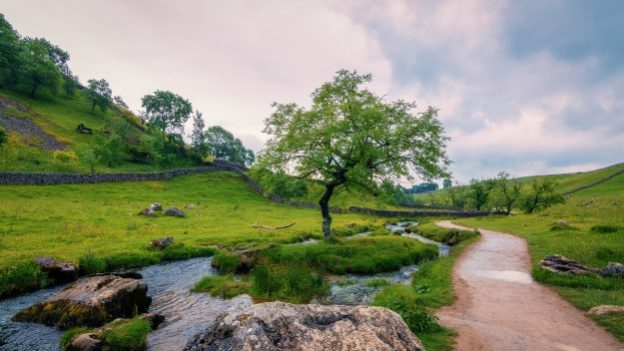
The image of Malham in Yorkshire is by Tim Hill, from Pixabay.


Frigg, Queen and Mother

This is the first of a series of posts on Frigg, the wife of Odin and the mother of Baldr. Unlike her husband, she plays very little part in the tales, and unlike Freyja no Eddic poem commemorates her deeds. Later medieval writers made Frigg and Odin into a kind of northern Jupiter and Juno  (Simek: 94), and while Odin and Jupiter have little in common, the two queenly goddesses certainly resemble each other.

Continue reading

Norse Creation Myths

We all know the Norse creation myth. In the beginning was ice and fire, then the fire thawed the ice enough to form a place where beings could emerge and life begins to form. Eventually some of the younger generation, led by the god Odin, killed the very first being, the giant Ymir, and made the world from his body.

Continue reading

Yama: Hindu God of Death (reblog)

Since my last post on the Norse giant Ymir, I’ve had questions about his connection to the Hindu god Yama. Apart from the similarity of their names, I don’t think they really have that much in common, but you can judge for yourself:

Yama, from Mahavidya

The image at the top can be found here.

Ymir: creator and creation

Ymir, the first being in Norse myth, is the first creator, who gives life to a number of beings, and a giant who is more serviceable dead than alive. (Odin and his brothers make the world out his body.) There is a real tension in the Ymir story between these two views of him, reflecting the ambiguous attitude of Norse myth towards giants in general.

Continue reading