Category Archives: Modern Mythology

This category is for posts dealing with 1) modern mythology, also known as UPG, and 2) stuff that someone made up. It’s a fine line, but worth pursuing.

Sheila vs. Patrick: March 18th and Sheila’s Brush

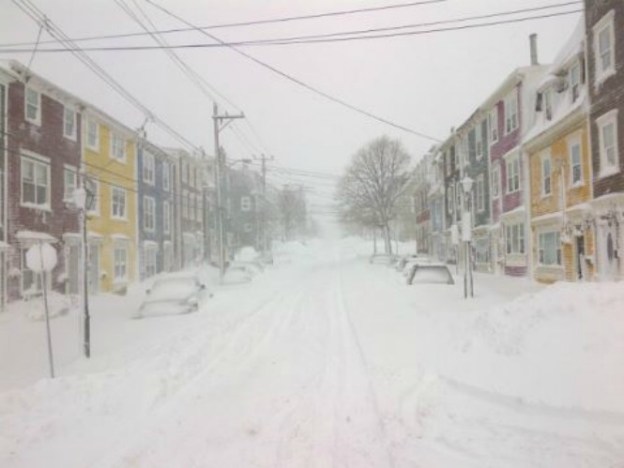
Sheila’s Brush is a Newfoundland term for a storm on or about the 18th of March. Because Sheila’s storm comes just after St. Patrick’s Day, Sheila is often described as the saint’s wife or mother. You would think that this would be an Irish tradition as well, carried to the new world by immigrants, but it appears to be a local invention.
Continue reading

Link

A story in The Guardian about how Icelanders’ belief in elves can hinder construction, and how surprisingly common it is.

Horned goddesses

When I was writing about the Irish goddess Flidais, I said that I would be covering hunting goddesses and horned goddesses in another post. The post on hunting goddesses was duly written, but the horned goddesses slipped away.

This may be due in part to the fact that I thought of horned goddesses as a mainly modern phenomenon. The first inkling I ever had of them came from Chesca Potter’s artwork. Her image of the folkloric figure Elen (heroine of “The Dream of Macsen Wledig“,  in the Mabinogion) as a horned goddess caught my attention. However, I had no context for it, and it remained an interesting picture, and nothing more.

Continue reading

Freyja: the Valkyrie Goddess?

The Norse goddess Freyja and the valkyries, choosers of the slain, seem to have a lot in common. Both can take bird-form, are associated with war, magic and death, and take mortal protegés and lovers. Add that to the fact that she and Odin took half of all slain warriors each, and many have concluded that Freyja was the leader of the valkyries, the valkyrie goddess if you will.

Continue reading

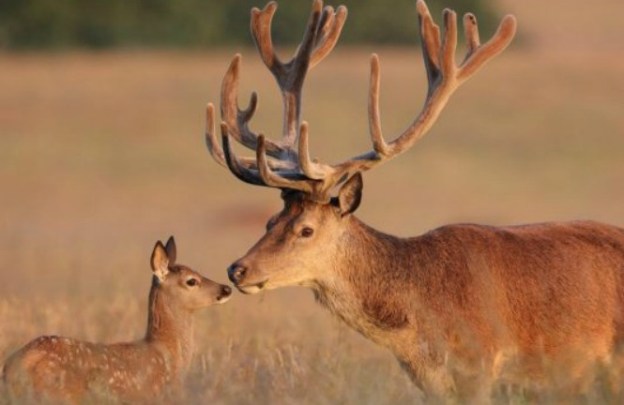
Flidais: A Chariot Drawn By Deer

Where did the idea that Flidais rode in a chariot drawn by deer come from? It’s not in her main legend, the Táin Bó Flidais, nor in the follow-on story, the Táin Bó Cúailnge. It’s an attractive image, bringing to mind the Middle Eastern goddesses with their lion-drawn chariots,  Freyja with her cats, and Nerthus in her wagon drawn by heifers.

Continue reading

Flidais: Is She a Goddess?

Flidais was a figure of Irish mythology, surnamed Foltcháin, “beautiful (or soft) hair”. She had a magical cow, the Maol, as well as herds of cattle and of deer. She is usually considered a goddess of abundance (cows were wealth), sovereignty, feasting, magic, hunting and sexuality. Her dual nature, exemplified in the cows and deer, mingles the domesticated with the wild. Continue reading

Odin’s Eyes: Sun and Moon?

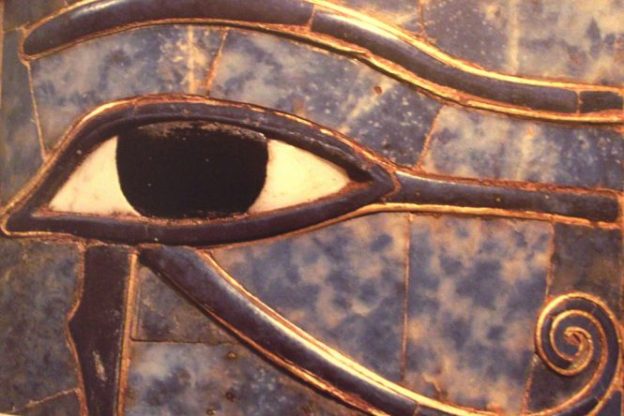
What do the Egyptian god Horus and the Norse god Odin have in common? Both of them are said to have the sun and moon as their eyes. The difference is that this belief about Horus dates back to very early Egyptian religion. As far as I can tell, the same statement about Odin comes from some 19th and 20th century writers.

Continue reading

Link

“Skadi Hunting in the Mountains by H. L. M” – Foster, Mary H. 1901.

Ready The Winter Sacrifice! | The God of Winter is Not Ullr; It’s Skadi

Arianrhod, mermen, and sunken islands

“It was said that she lived a wanton life, mating with mermen on the beach near her castle and casting her magic inside its walls.”

When I was researching Arianrhod for a recent post, I kept turning up variants on the quote above. In fact, the sentence: “She enjoyed herself sexually, with a distinct preference for mermen,” cropped up frequently without any variation whatsoever. Obviously a lot of copying was going on, but what did the original say? Continue reading

Magpies (and Skadi)

I have been intrigued for some time by a bit of lore that I’ve run across on several websites, without any credit given. It connects the Norse goddess Skadi and magpies, and makes several rather large claims about a “magpie clan” and a priestesshood, and it usually runs something like this:

Continue reading