Category Archives: Mythology

it could be argued… that any myth is a neutral structure that allows paradoxical meanings to be held in a charged tension. Indeed, we might argue that this is one of the defining characteristics of a myth, in cotnrast with other sorts of narriatves (such as novels): a myth is a narrative that is tramsparent to a variety of constructions of meaning.
(Wendy Doniger, The London Review of Books, 30: 7 (10 April 2008): 27-29)

What exactly was “red gold”?

If Freyja wept tears of gold, we would expect them to be the colour of the drops above, right? However, in the Prose Edda, Snorri describes them as “red gold”, rauðr gull. (Gylf. 46) Was this just poetic license, or was gold different in the Middle Ages?

Continue reading

The Golden Age: Njord and Saturn

The Norse sea-god – if he reminded you of anyone in the Graeco-Roman pantheon, wouldn’t it be Neptune/Poseidon? And yet, when the medieval Icelanders were copying out Greek myths, they explained the god Saturn/Kronos to their readers as “Njord”. What did the two have in common, that Njord would stand for Saturn to an Icelander?

Continue reading

The Eye and the Well: Odin and Brigit

Odin and Brigit may not seem like the most similar deities, but they actually do have more in common than you might think. Both are patrons of poets, both give up an eye voluntarily, and both these losses are connected with water.

Continue reading

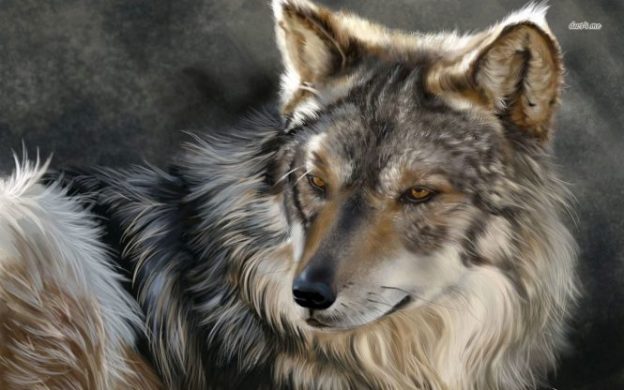
Apollo: wolf-god

The Greek god Apollo is the most rational, artistic and fastidious of the Olympians. So why is an animal noted for its ravening nature part of his cult?

Continue reading

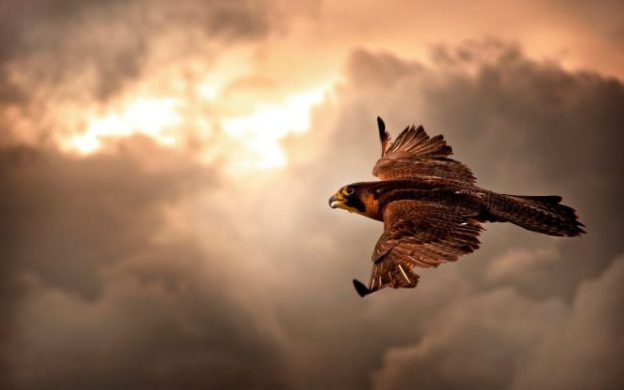
Angry Bird: Horus the Warrior

Horus is one of the oldest Egyptian gods, possibly reaching back to predynastic times. His conflict with Set, the desert-god, was one of the basic myths of Egyptian religion, long before Horus joined to the Isis-Osiris family.

Continue reading

Worshipping Giantesses (and possible castration)

In an earlier post, I discussed a possible magical formula for preserving and reviving dead body parts. This time I want to consider who these revived bits were being offered to: the giantesses.

Continue reading

Link

This is a post by a Roman polytheist about Freyja. It has a lot of insights into the nature of the Lady, and how similar she is to Odin. All the Vanir are travelling deities, in one way or another, but I think with Freyja this gets overlooked.

Helio's avatarGolden Trail

Last Sunday, May 1st, was the Dominalia, my annual feast to Freya. After ritually burning the usual offerings to Janus, Juno and my Lares, as is customary on the Calends, I prepared a new fire for the ritus aprinus. Practice makes perfect, so it went better then my first attempts, and I offered the Vanadís small portions of homemade caramel, barley, cinnamon and cherry liquor, plus libations of wine to Her and Her family. I also asked Her to bless a small bowl of flowers mixed with barley, which I took with me in the afternoon and casted on a farm field and a seaside hill top on my way to the beach. And then at some point, my mind produced a question I had not yet considered: is Freya a Lady of Roads or Travellers?
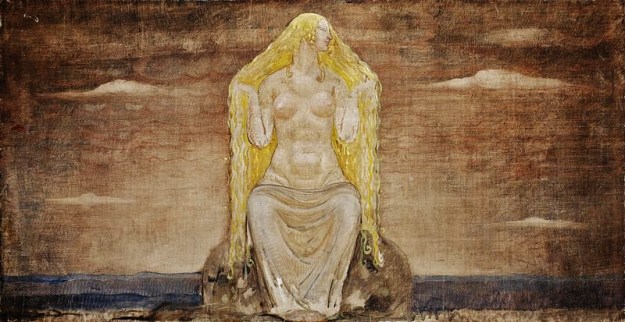
Freya 08

There’s certainly no obvious reference to it in the surviving lore, where She’s…
View original post 693 more words

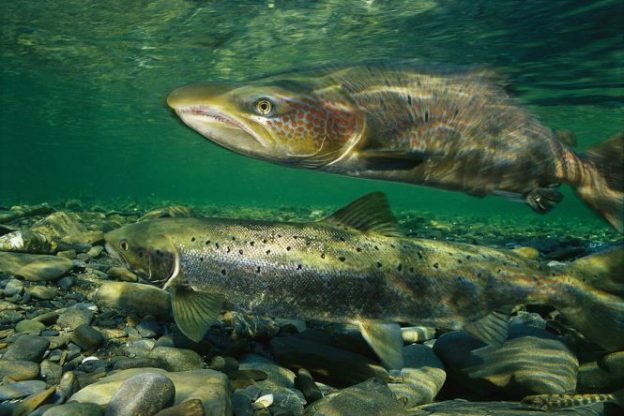
The Salmon of Wisdom

You might wonder, why are salmon wise? Their ability to return to their birthplace to spawn may have given rise to the idea that they had special knowledge. Their travelling between salt and fresh water shows an adaptability most fish don’t have, and their jumping (immortalized in the Celtic warrior’s salmon leap) is impressive, and gives them their English name (from Latin salire, to jump).

Continue reading

Finn: the judge, the poet, and the king

There are many figures in Irish myth and legend whose names are Finn or Find, or some variation, such as Fintan. Many of these are associated with inspiration and wisdom, and some also tap in the archetypes of the divine child and poet. The name means “fair, bright, white, lustrous, light-hued”, which connects it to Welsh Gwyn and the Gaulish god Vindonnus.

Continue reading