Going to Hel: the Goddess and the Place

In Norse myth Hel is a place and a person, like the Greek Hades. The word hel means “hidden,” linked to hylja, “to cover”. Lindow speculates it may have referred to the grave at first, since that is where the dead live (171). Both he and Rudolf Simek (138) seem to think Hel was just a personification of the place, perhaps because unlike Hades, she has very little myth attached to her.

Continue reading

The Dagda

The Dagda is the head of the Irish pantheon, whose name means the “Good God”. He is head of the Tuatha de Danann, and was king of Ireland between Nuada and Lugh, but he can also take on the appearance and manners of a peasant farmer. He has been compared to his fellow Celts Sucellos and Cernunnos, but he also resembles the Norse god Odin, being changeable and tricky as well as a great magician.

Continue reading

Seshat: Mistress of the Books

The Egyptian goddess Seshat is one of the lesser-known Egyptian deities, and yet she was an enduring one. Her name means “Female Scribe” and the art of the scribe was her area: the burgeoning state of Egypt needed to keep records, formalize contracts and agreements, and make blueprints for buildings. This made her a useful deity, but also limited her cult, as we shall see.

Continue reading

Neil Gaiman’s Norse Mythology – a review

Norse Mythology, by Neil Gaiman, W.W. Norton, 2017.

Earlier this year I reviewed Carolyne Larrington’s The Norse Myths, a lavishly illustrated introduction to the Norse myths for a popular audience. While Larrington’s book is more scholarly and objective, Gaiman’s book is laid out as a series of stories; retellings rather than analysis.

Continue reading

Andee: the non-gods of Ireland

In the Irish myths a mysterious phrase crops up: the gods and the non-gods (or un-gods). We all know what a god is, but what is an non-god?

Continue reading

Heimdall: guardian god or wanderer?

Heimdall is the guardian of the gods, and of their home, Asgard. Why is it then, that the Eddic poem Rígsþula describes him wandering the earth and interacting with humans as if he had nothing else to concern him?

Continue reading

Freyja’s Cats

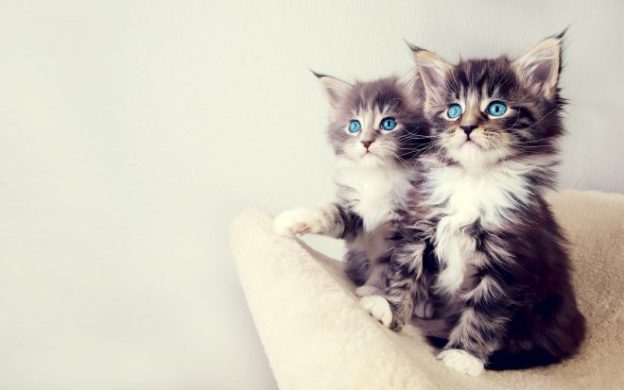
The Norse gods have different ways of getting around: Odin and Heimdall have horses, Freyr has a boar, and Thor has two goats to pull his wagon. Freyja’s choice was a little more unusual: she had two cats to pull her chariot.

Continue reading

Skeleton ignites debate over whether women were Viking warriors

via Skeleton ignites debate over whether women were Viking warriors | Science News

Gullveig: the goddess who wouldn’t die

Considering that she may have started a cosmic war, we know very little about the Norse goddess Gullveig. Her story comes from the Eddic poem Völuspá, which tells how the Aesir riddled her with spears and then burned her three times but couldn’t kill her.

The next event in the poem is the war between the Aesir and Vanir, the two groups of Norse deities, so it’s always been assumed that somehow the attack on Gullveig started it.

Continue reading