Lytir: Prophetic God

I have written many posts about Celtic goddesses who are known by their names alone, gleaned from an inscription or two made in Roman times. The Norse god Lýtir is almost as obscure. Apart from his name, the only evidence we have for him comes from a post-Christian tale which clearly does not think much of the god or his powers.

Continue reading

Awakening my Writer’s Mind

I’m sitting here in northern Canada, it’s eleven o’clock, and I’m starting to think it’s dark enough to go stargazing once I finish this. I started this blog back in January, after a long hiatus from writing. (I wrote three books back in the 90s, all on mythology.) This has been my way to start again.

I’m looking forward to learning more about blogging through this course, and reading others’ blogs as we go along.

For the dandelion image, click here.

Link

I like this – after all, we were all new once.

H's avatarHannah Reads Books

On this day in 2008, I read my first comic book. It was Watchmen. 

I’d loved several superhero movies, specifically X-Men and Spiderman — and by “loved,” I mean “was obsessed with beyond all reason.” (My mother will gladly attest to this). My attempts to read real comics hadn’t gone well, though. They were too complicated, and too boring. (I now realize that X-Men comics are notoriously self-referential, and that the black-and-white Essential Spider-Man collections, while entertaining in retrospect, are not actually the best the genre has to offer, but I didn’t know that at the time!)

Watchmen DVD coverI saw the trailer for the Watchmen movie, and thought it looked like something I’d like, but oop! Based on a book! I couldn’t possibly watch it without reading the book first! I figured it was a standalone comic book, so why not give it a try? I had no idea what I was getting in for…
View original post 761 more words

Goddesses of Hunting and the Wild

Besides Flidais, there are many Celtic goddesses of the hunt and the wild. I have listed several continentsl ones below, as well as the evidence for the cult of Diana in Britain.

The individula goddesses are easier to read, because they appear under their own names, while the name Diana may or may not be hiding a native goddess. (The god Silvanus presents the same problem.) We know of at least two of these hybrids: Diana Mattica and Abnoba.

Continue reading

Flidais: A Chariot Drawn By Deer

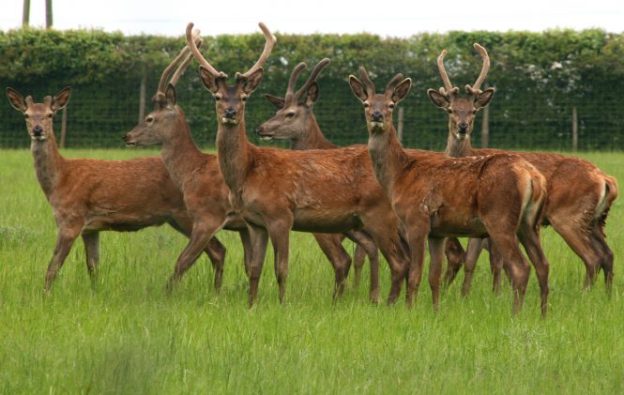
Where did the idea that Flidais rode in a chariot drawn by deer come from? It’s not in her main legend, the Táin Bó Flidais, nor in the follow-on story, the Táin Bó Cúailnge. It’s an attractive image, bringing to mind the Middle Eastern goddesses with their lion-drawn chariots,  Freyja with her cats, and Nerthus in her wagon drawn by heifers.

Continue reading

The Tain Bo Flidais

The Táin Bó Flidhais, or The Book of the Driving of Flidais’ Cattle, is the main source of information about the goddess Flidais. This story has been preserved in two versions, a shorter version in the Book of Leinster, and a longer one in the Yellow Book of Lecan.

Continue reading

Flidais: Is She a Goddess?

Flidais was a figure of Irish mythology, surnamed Foltcháin, “beautiful (or soft) hair”. She had a magical cow, the Maol, as well as herds of cattle and of deer. She is usually considered a goddess of abundance (cows were wealth), sovereignty, feasting, magic, hunting and sexuality. Her dual nature, exemplified in the cows and deer, mingles the domesticated with the wild. Continue reading

Jersey Lily Cake

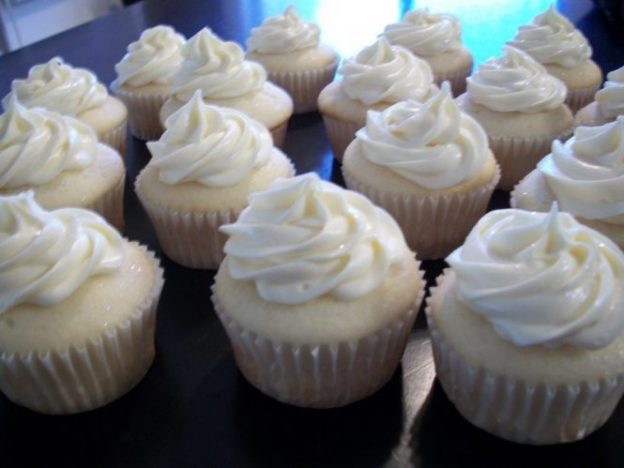
Rather a glamorous name considering that what we’re talking about is plain white cake. We forget, however, the two things that made this cake exciting when it was first being made: the notoriety surrounding Lily Langtry herself, a celebrity/model/actress, and the new technologies and processes that made a white cake finally possible.

Continue reading

Cranberry is King: the Ocean Spray Cookbook

Flea markets are a great place to pick up unusual recipe books. A few years ago I was helping out at one with my mom, and I started looking through the books, and found this one. I l love cranberries, and it was only fifty cents, so I bought it.

Continue reading

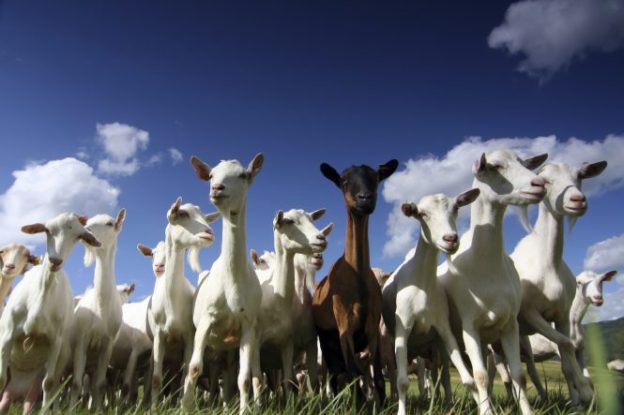
Sheep and Goats in Norse Myth and Life

Sheep and goats were both common food animals during the Iron Age, although oddly enough there are no images of sheep from the pre-Christian period. There aren’t a lot of goats, either, but there are a few among the rock carvings on the west coast of Sweden and the east central part. The same holds true for the myths: few goats, but no sheep.

Continue reading