
Category Archives: Goddesses

blue sky light

Theia, Phoebe, Helia

The family of the sun-god Helios features many minor goddesses of sun and light. Helios is the main god of the sun; his name, and his resemblance to many Indo-European sun-gods and goddesses puts that out of doubt, but it is interesting how solar females cluster around him.

Some of these goddesses may well have had their own solar cults long ago, but it’s impossible to verify now.  Two of them were his mother and aunt, the other was his daughter. (Helios’s lineage also includes the witches Circe and Medea, as well as Hecate, a grand-daughter in some versions of her family tree.)
Continue reading

Epona: Divine Horse

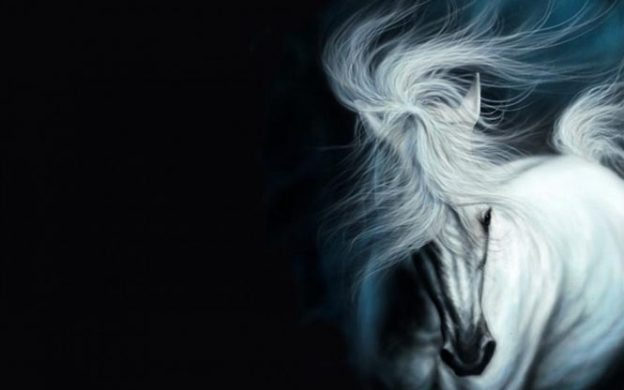
We are used to the idea that the Celts took up Roman gods and equated them with their own. (Or that the invading Romans renamed them.) However, the process could just as easily go the other way.

The best-known instance of this is the Gaulish horse-goddess Epona, who became very popular first with the cavalry units of the Roman army, then with the Roman populace, who took her into their homes and stables. She was the only Celtic deity with a holiday in the Roman calendar: December 18th. The Romans don’t seem to have had an indigenous horse-deity (except perhaps Neptune, who had other things to attend to), but the Celts were horse-mad.

Continue reading

Divona: the Divine

Imagine living in a world in which clean drinking water could not be taken for granted. Even now, in many parts of the world, people have to walk miles to get it, and in the Western World we aren’t immune from boil orders and other disruptions.

So it isn’t surprising that many peoples had a deity of fresh, drinkable water. The Romans had the god Fons, among others, from whom we get the word fountain, and the Celts in what is now Bordeaux showed their sense of priorites by worshipping a goddess of clear, drinkable water. Her name was Divona, the Divine One.

Continue reading

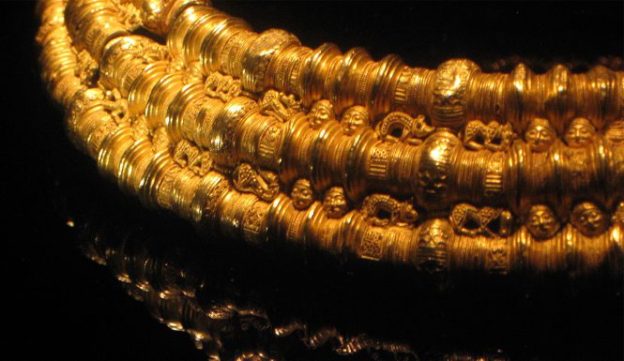
What exactly is Brisingamen?

This is one of those questions with a short and a long answer. The short answer is that it is the Norse goddess Freyja’s necklace. The longer answer is that the necklace, and its owner, were intimately linked. The jewel and the goddess were linked in the same way as Thor and his hammer: an attribute that could both symbolize the deity and embody their power.

Continue reading

Arianrhod: Silver Wheel

In an earlier post I talked about the goddess Matrona, or Mother. This time I want to look at a goddess who is totally unmaternal, Arianrhod. Her story comes from the fourth branch of the Mabinogion, a collection of Welsh early-medieval tales.

Continue reading

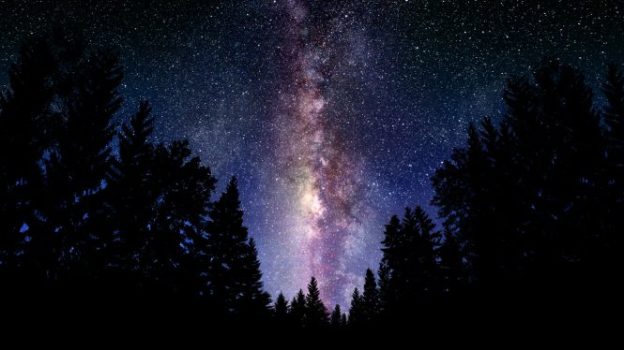
Astraea: Star Goddess of the Golden Age

During the Golden Age, Greek mythology tells us, the immortals and humans lived together on Earth. As time passed, and the Bronze and Iron Ages came, humans became less moral, and finally during the Iron Age (according to Ovid) Astraea, the only Immortal who still lived on Earth, fled to the heavens:

Continue reading

Matrona: Mother Goddess

I have a tic; so many goddesses have been thrown into the “mother” category willy-nilly that I resist any description of a goddess as “mother”. (Also, I have noticed that people who lump goddesses together as “mothers” very often don’t consider the complexity of the title – Lotte Motz’ book The Faces of the Goddess discusses the many meanings of Mother.)

When a goddess’ name means Mother, however, you cannot deny it. It is derived from Mātr-on-ā, “Great Mother”, just like Sirona‘s and Damona‘s names mean the Great Star and the Great Cow. Inscriptions call her Dea Matrona, just to add insult to injury. There’s no way around this – she’s the Mother Goddess.

Continue reading

Nemetona: Sacred Groves and War-Goddesses

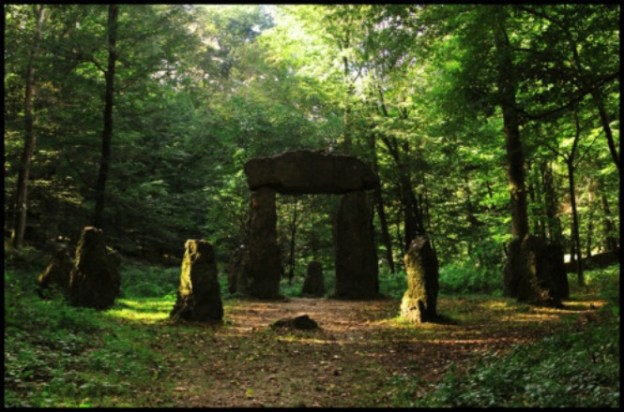
Nemetona, Goddess of the Sacred Grove, had her cult in those dense Germanic forests that the Romans feared so much. Especially after the disaster in 9 CE, when three Roman legions and their auxillaries were ambushed and cut down in the Battle of the Teutoburg Forest, they preferred open spaces to the forests in which the druids and others worshipped.

Continue reading

Ancamna: Guardian of the Tribe

Ancamna was a protector goddess of the Treveri, a Celtic tribe from the Moselle River area in Germany. Her cult centered on the area around Trier, known to the Romans as Treveri Augustorum (French Trèves).

Continue reading

Sirona: healer goddess

My last post was about Sirona’s consorts and partners, but she did sometimes appear alone. We find her in inscriptions, and images, suggesting that her cult existed before the advent of the Romans.

Continue reading